
Forms
Internal reporting: what the form itself has to do
When staff are meant to report something internally, the form decides who reads it, whether the sender can stay anonymous and how a reply finds its way back.
10 min read
Insight from people who build Swiss software: data protection in everyday SME life, choosing and running software in Switzerland, and what we are building and why.
48 articles
Forms
When staff are meant to report something internally, the form decides who reads it, whether the sender can stay anonymous and how a reply finds its way back.
10 min read
Forms
When staff are meant to report something internally, the form decides who reads it, whether the sender can stay anonymous and how a reply finds its way back.
10 min read
PDF tools
Which options matter when saving as PDF: fonts, tracked changes, document properties, structure tags for accessibility and PDF/A.
6 min read
Forms
Registration and intake forms in Swiss practices: what the FADP says about health data, what the ordinance requires of security, and where professional secrecy sits.
10 min read
Forms
An enquiry from two years ago is still in the spreadsheet: what the FADP says about deletion, which retention periods pull the other way, and what makes a deletion rule.
11 min read
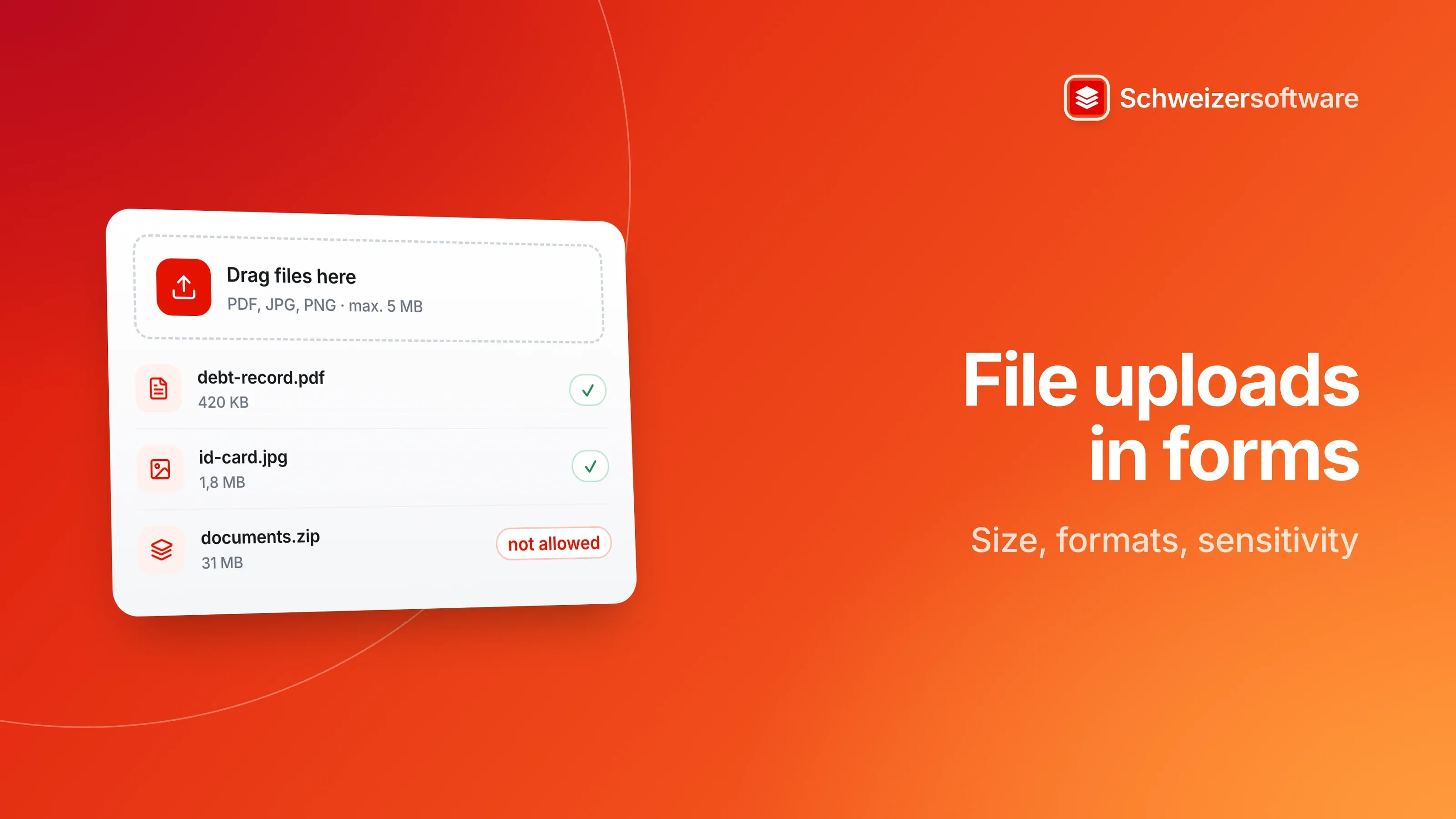
Forms
What businesses consider when an online form accepts files: allowed formats, sizes, sensitive content, security, and how long the files are kept.
6 min read
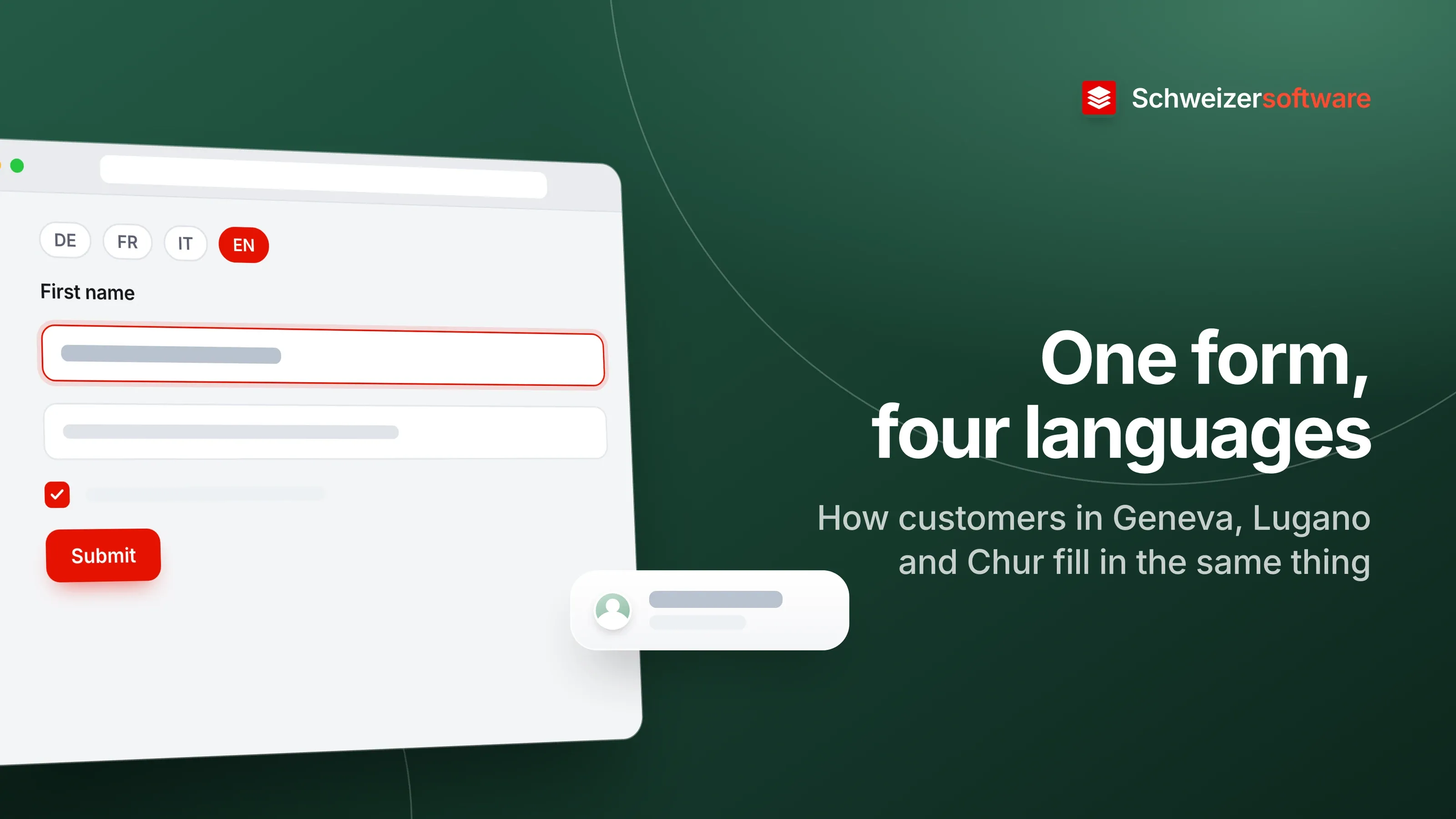
Forms
Why a Swiss form is rarely just a translation: field names, address and number formats, text length and error messages all differ from language to language.
8 min read
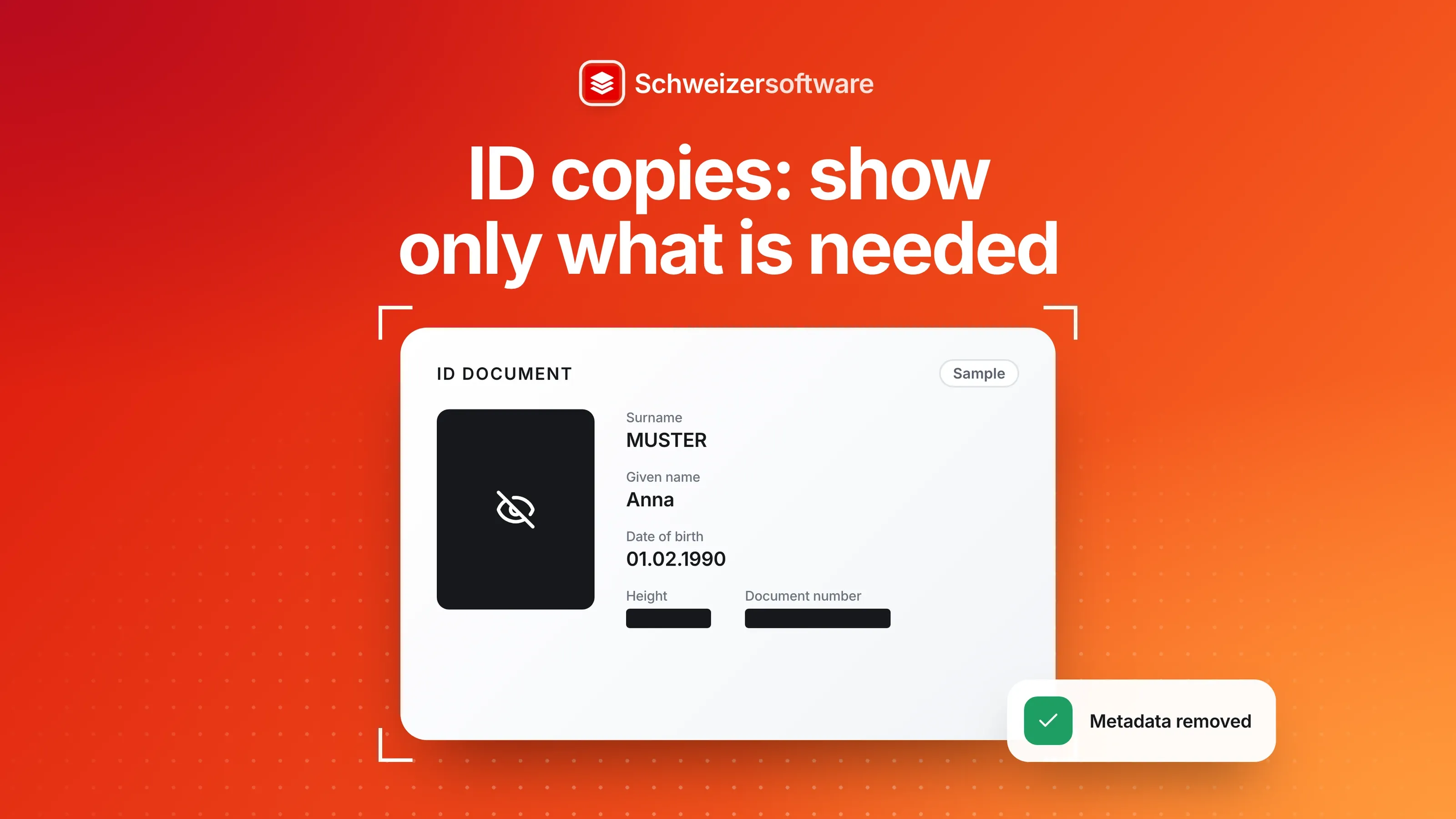
Image tools
When a copy of an identity card is requested, what is on it, what the FDPIC says can be made illegible and how to crop the copy cleanly.
6 min read
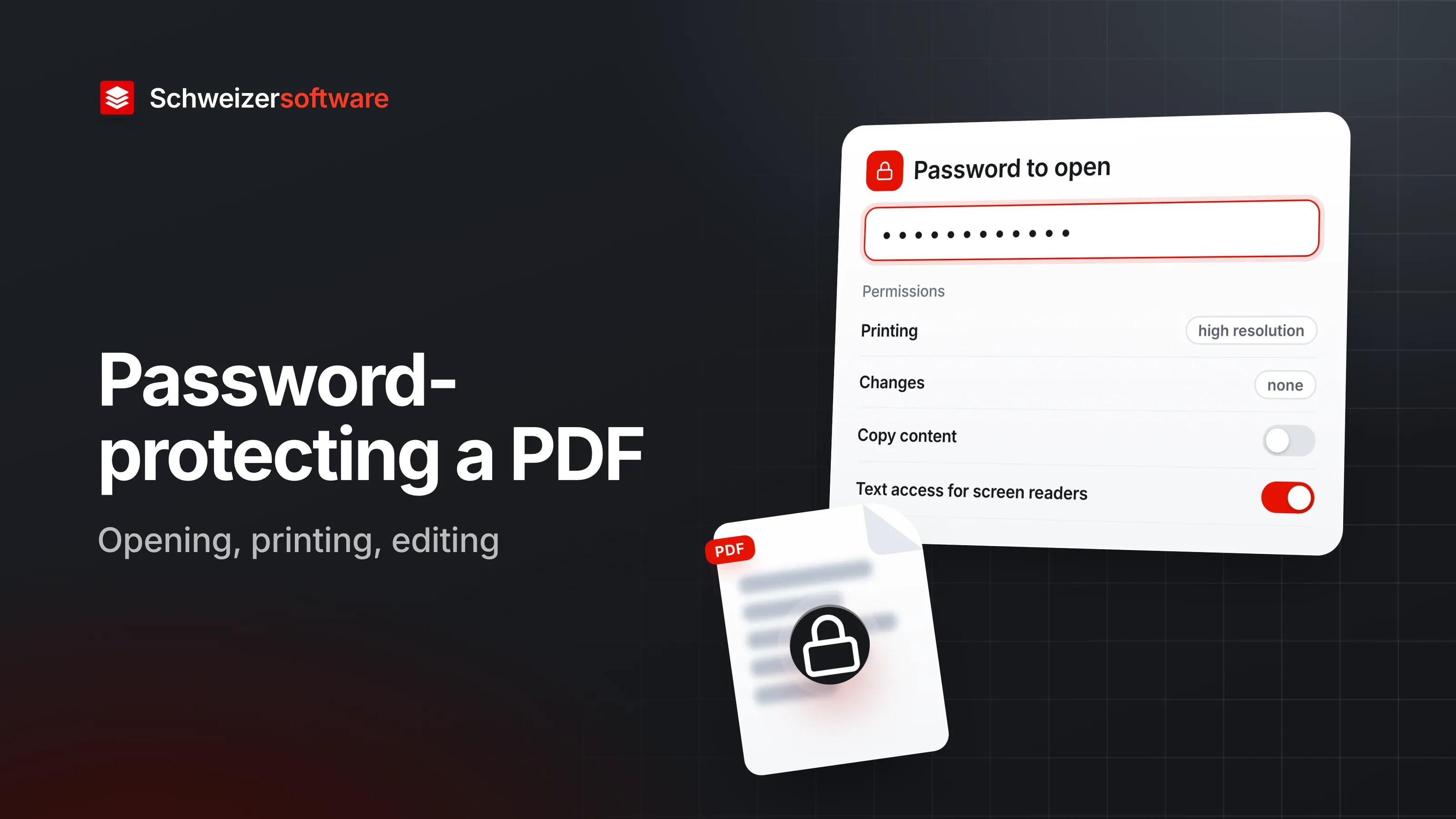
PDF tools
The difference between the password to open a PDF and its permissions, what PDF encryption achieves, and where its limits lie.
6 min read
Forms
A club, a school or a practice puts a paper form online. What gets easier, what gets harder — and what is simply different rather than better.
9 min read
PDF tools
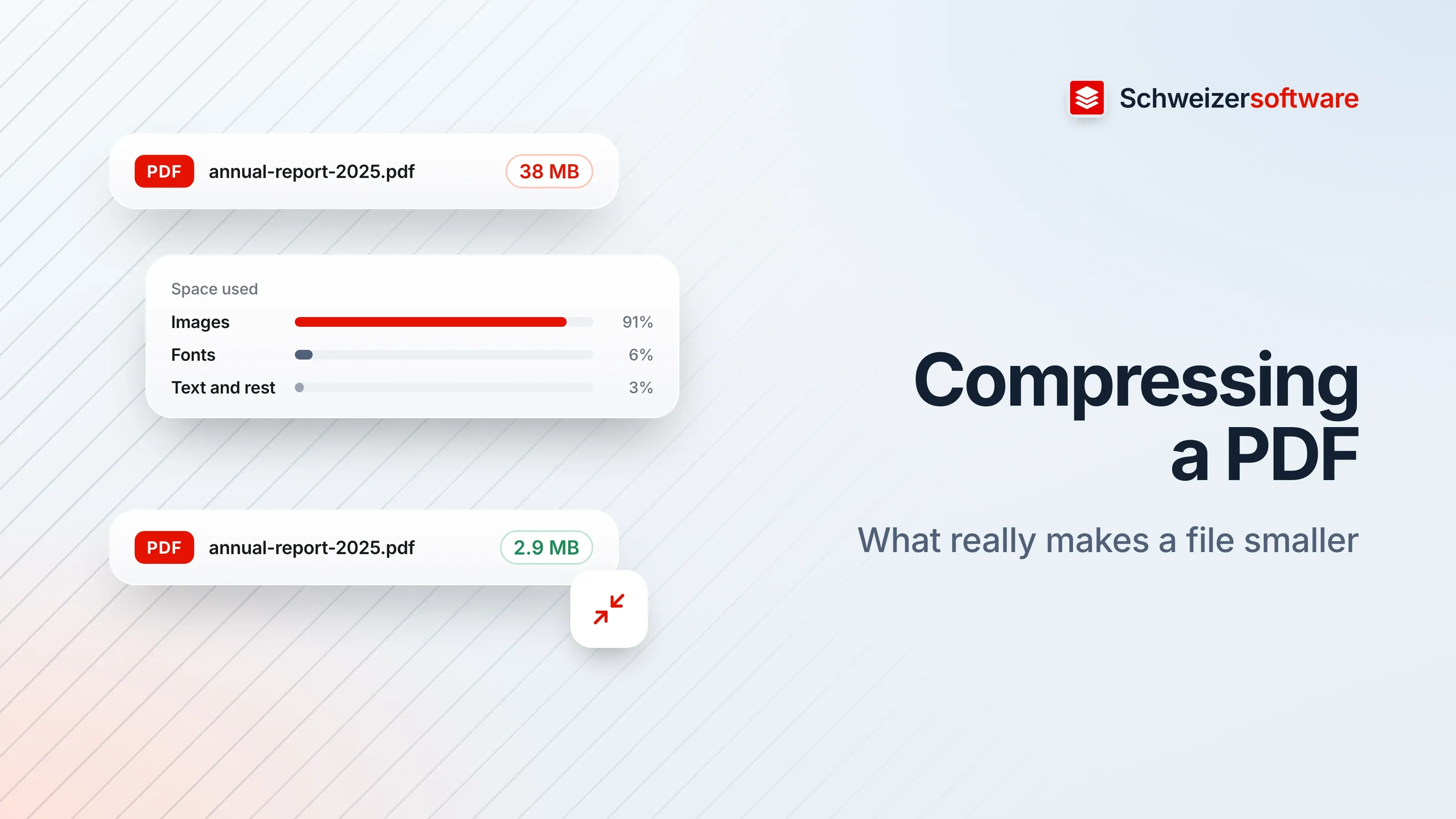
What a PDF is made of and what happens when it is compressed: shrinking images, embedding or leaving out fonts, removing clutter, keeping what matters.
5 min read
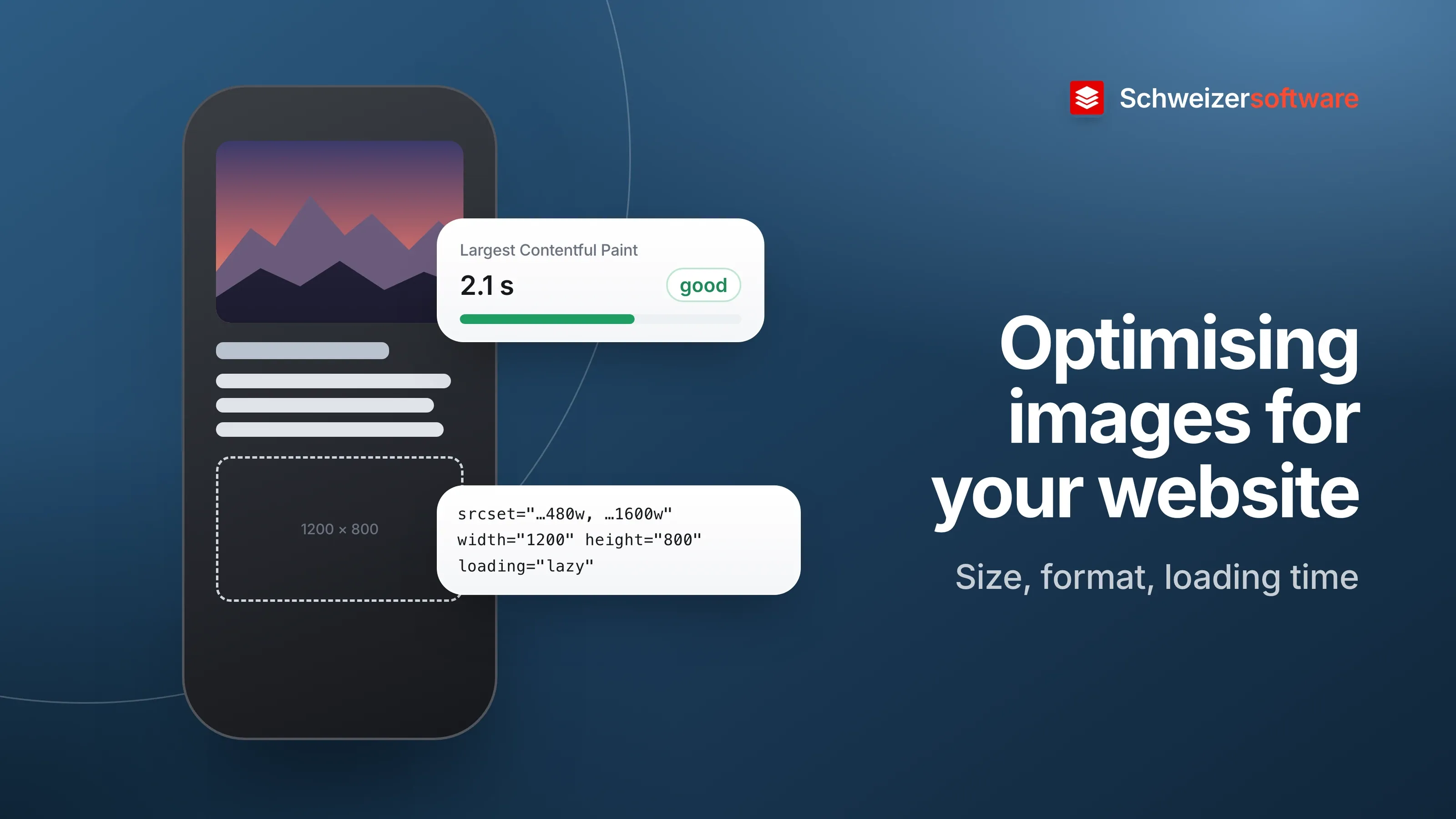
Image tools
How images shape a website’s loading time and what helps: the right size, several versions, modern formats, width and height, lazy loading, alt text.
6 min read
Forms
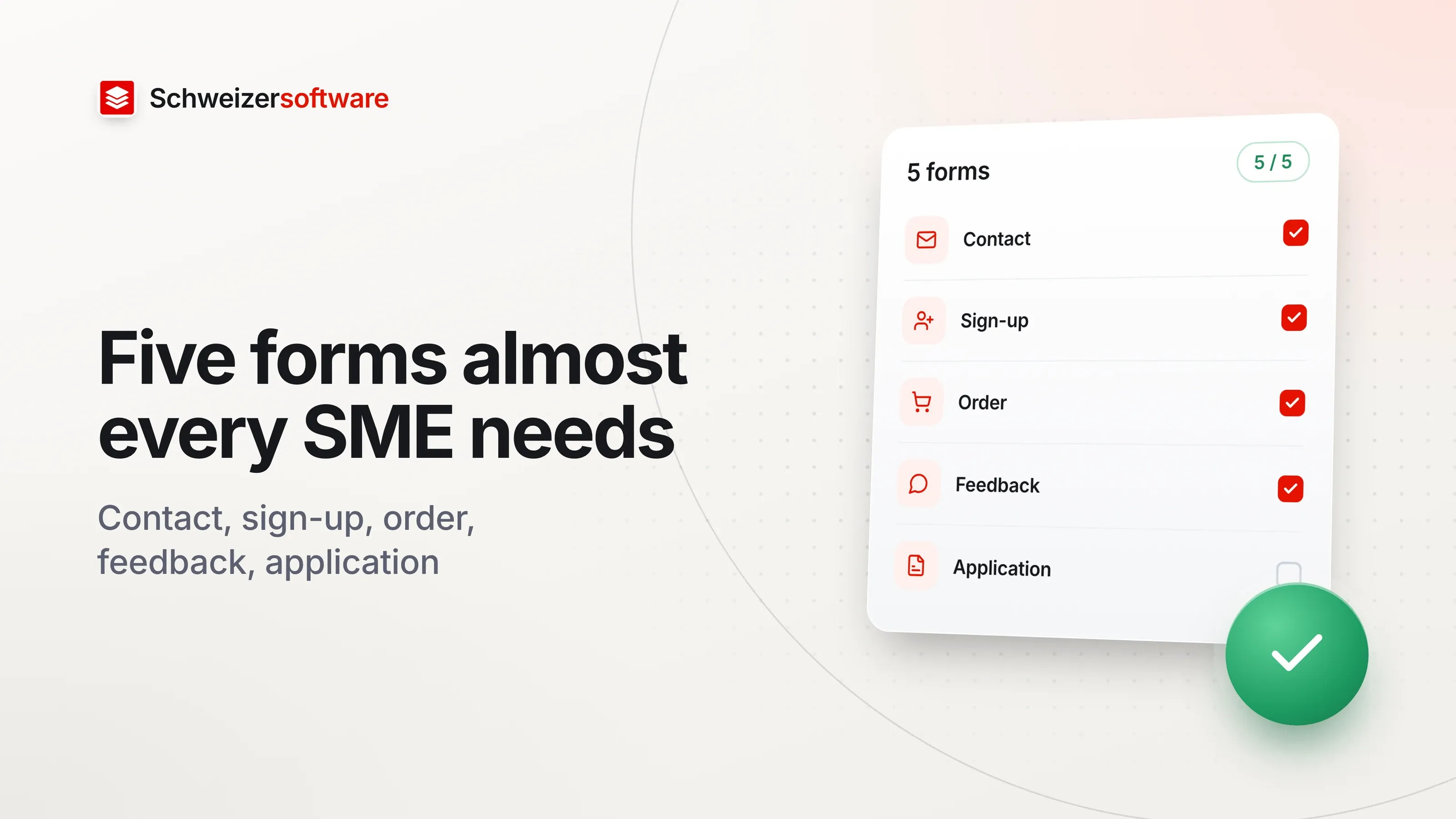
Contact, quote request, registration, job application, feedback: which fields in these five forms earn their place, and which are added out of habit.
11 min read
Forms
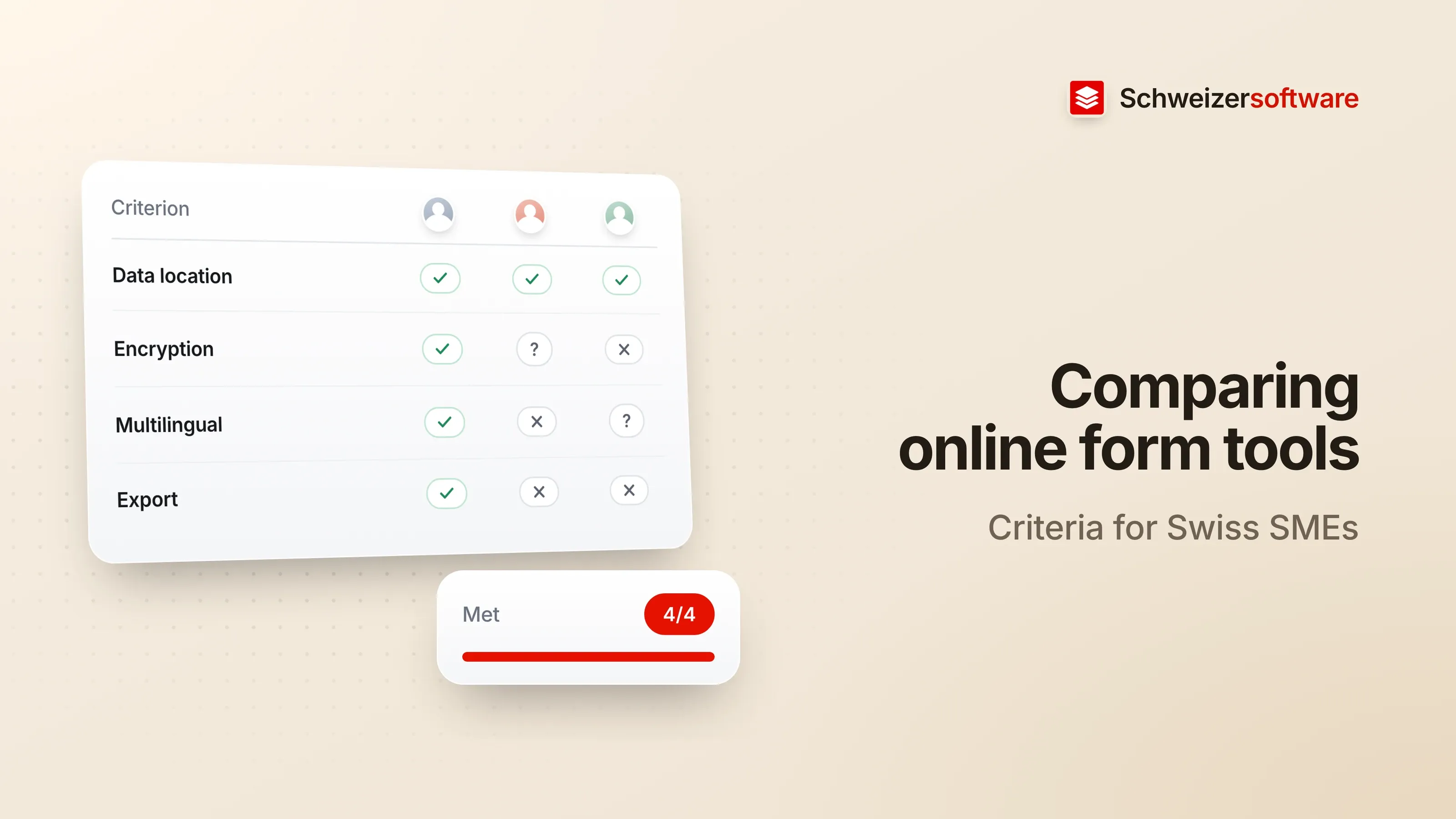
Eight criteria for putting online form providers side by side — and where each answer can be found in the vendors’ own public documentation.
9 min read
Forms
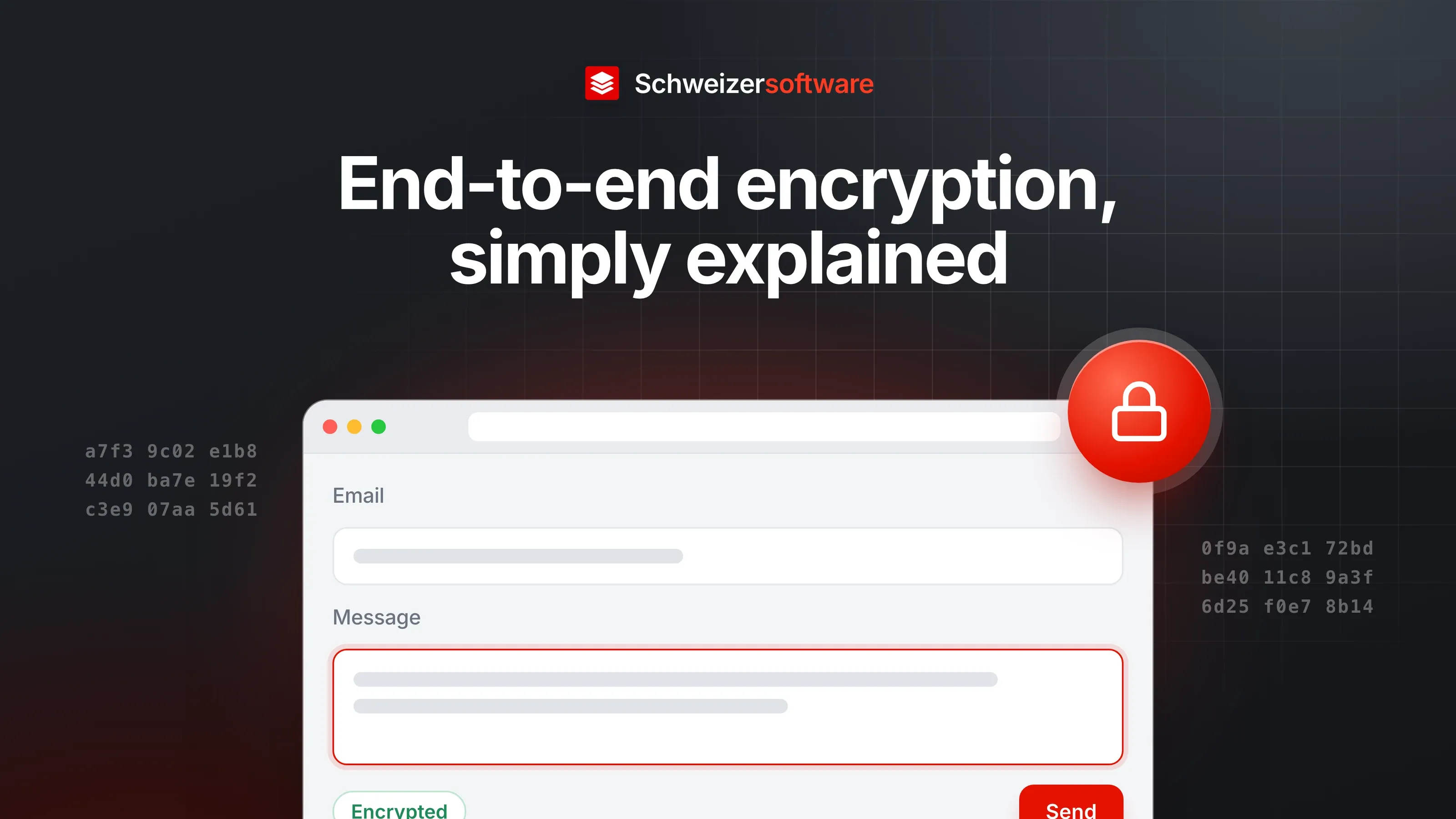
"Encrypted" means different things in different places. What is protected in transit, at rest and end to end, who holds the key — and what it costs you.
8 min read
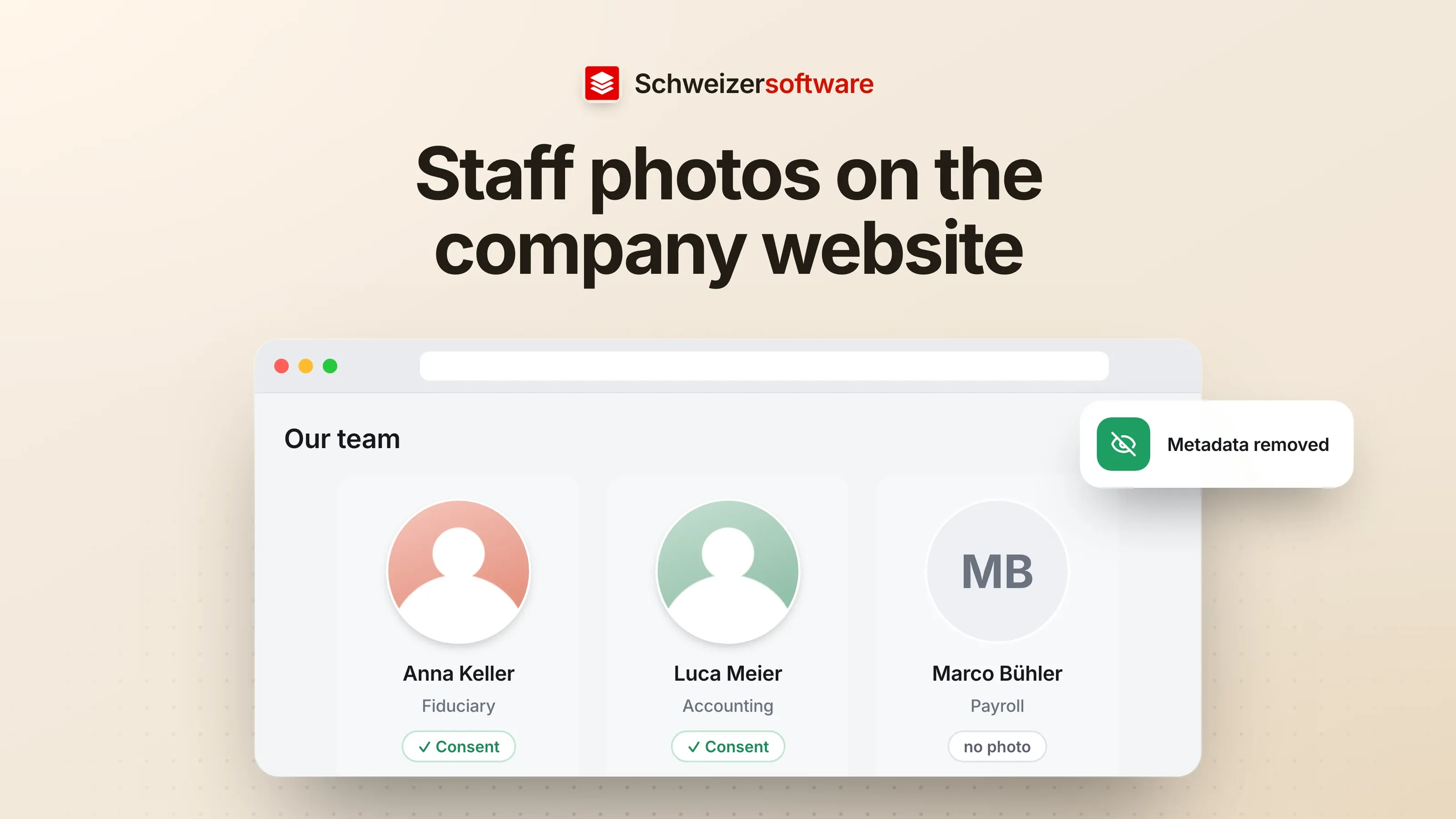
Image tools
The right to one’s own image, consent and withdrawal: what the Civil Code, the FADP and the FDPIC say when a business shows its team on its website.
6 min read
Forms
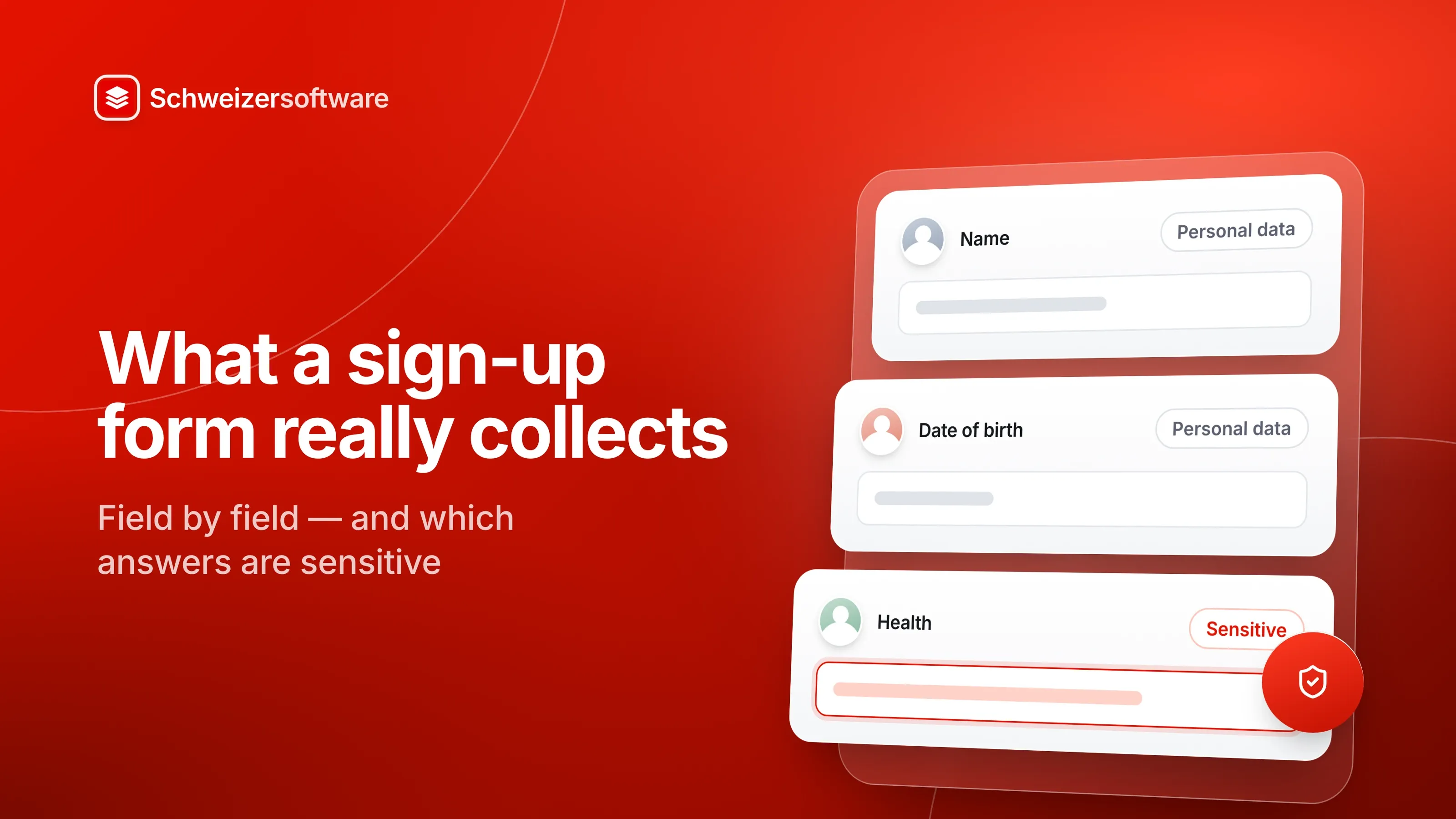
Name, date of birth, free-text box: what an ordinary sign-up form takes in field by field — and which answers the Swiss FADP treats as sensitive personal data.
8 min read
Forms
What happens to the answers after someone clicks send: the chain from the browser to your inbox, and where each step is documented in writing.
7 min read
PDF tools
Payslips contain personal data. What the Code of Obligations, the FADP and the Data Protection Ordinance say, and which options businesses use to send them.
6 min read
Six sentences sit on our about page. What each one means on an ordinary working day in Switzerland — and where each one stops.
9 min read
No banner, no cookies: what this website measures instead, what that never tells us — and how the Swiss rules on cookies are written.
7 min read
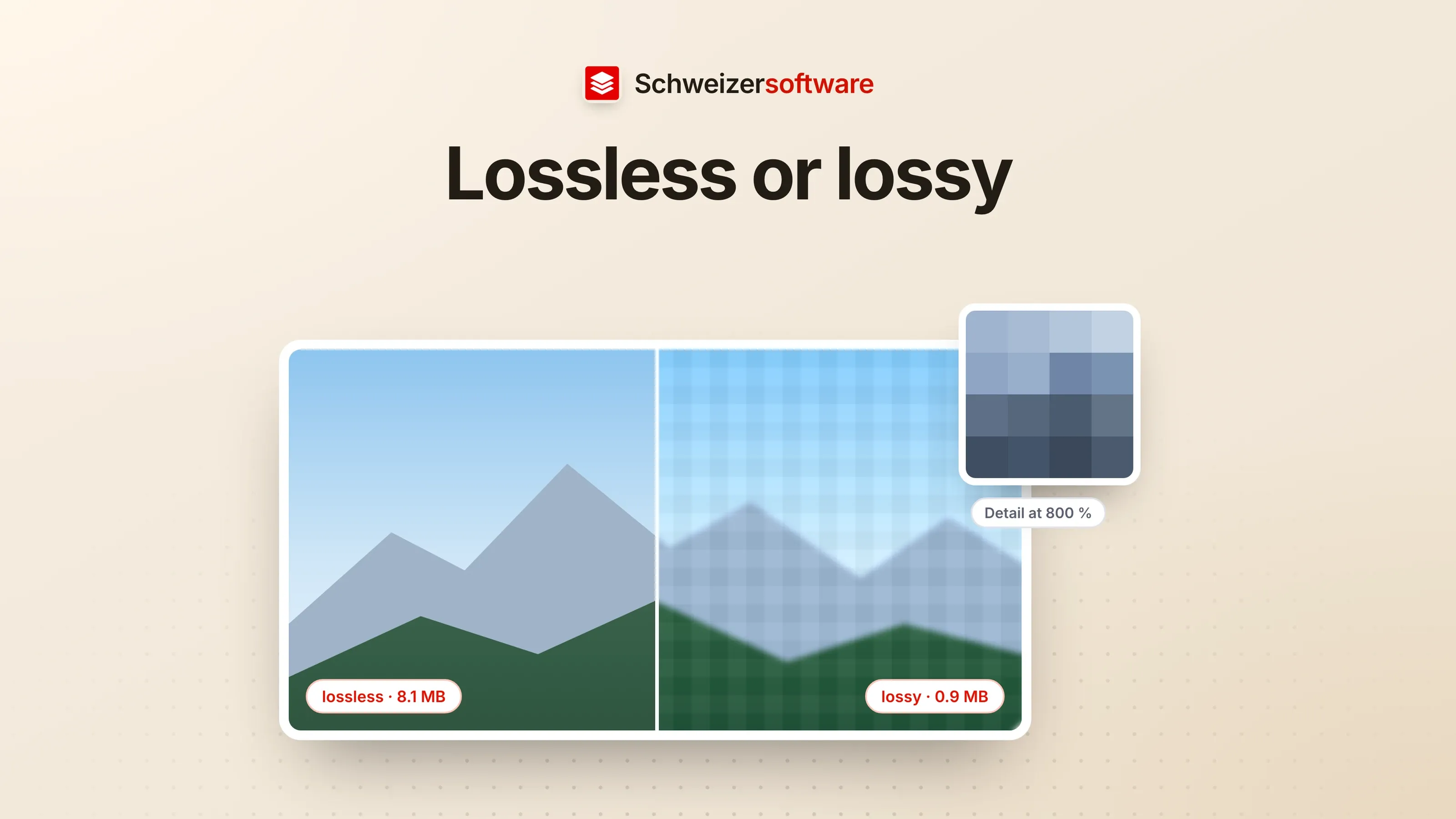
Image tools
What happens when JPEG, PNG, WebP and AVIF compress, why text and edges suffer, why image size counts for more, and why originals are worth keeping.
6 min read
PDF tools
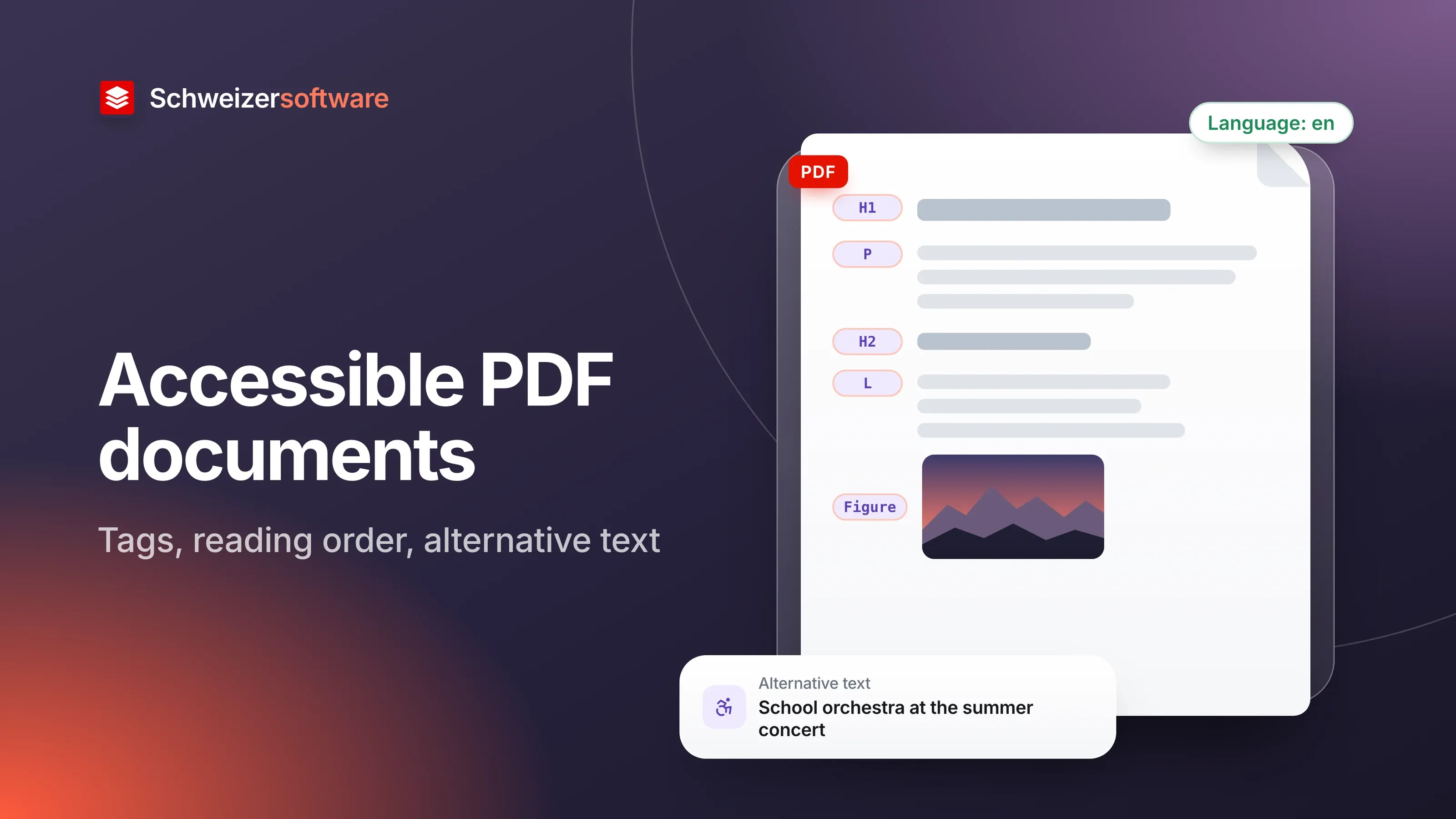
What makes a PDF accessible — tags, reading order, alternative text, language —, what PDF/UA and WCAG cover, and what applies in Switzerland.
6 min read
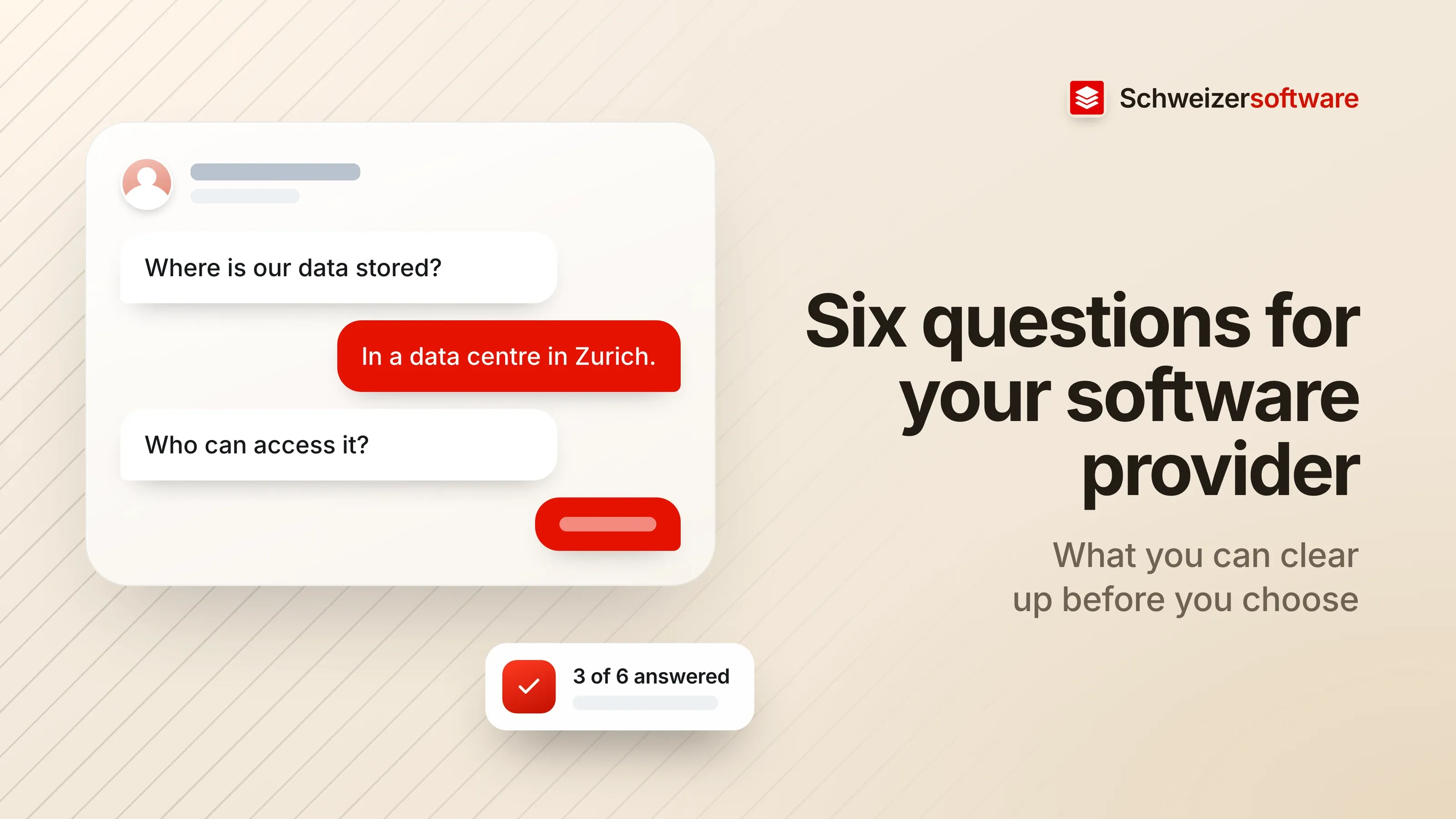
Six questions a Swiss business can put to a software provider before handing over customer data — and where the answers are usually published.
8 min read
Forms
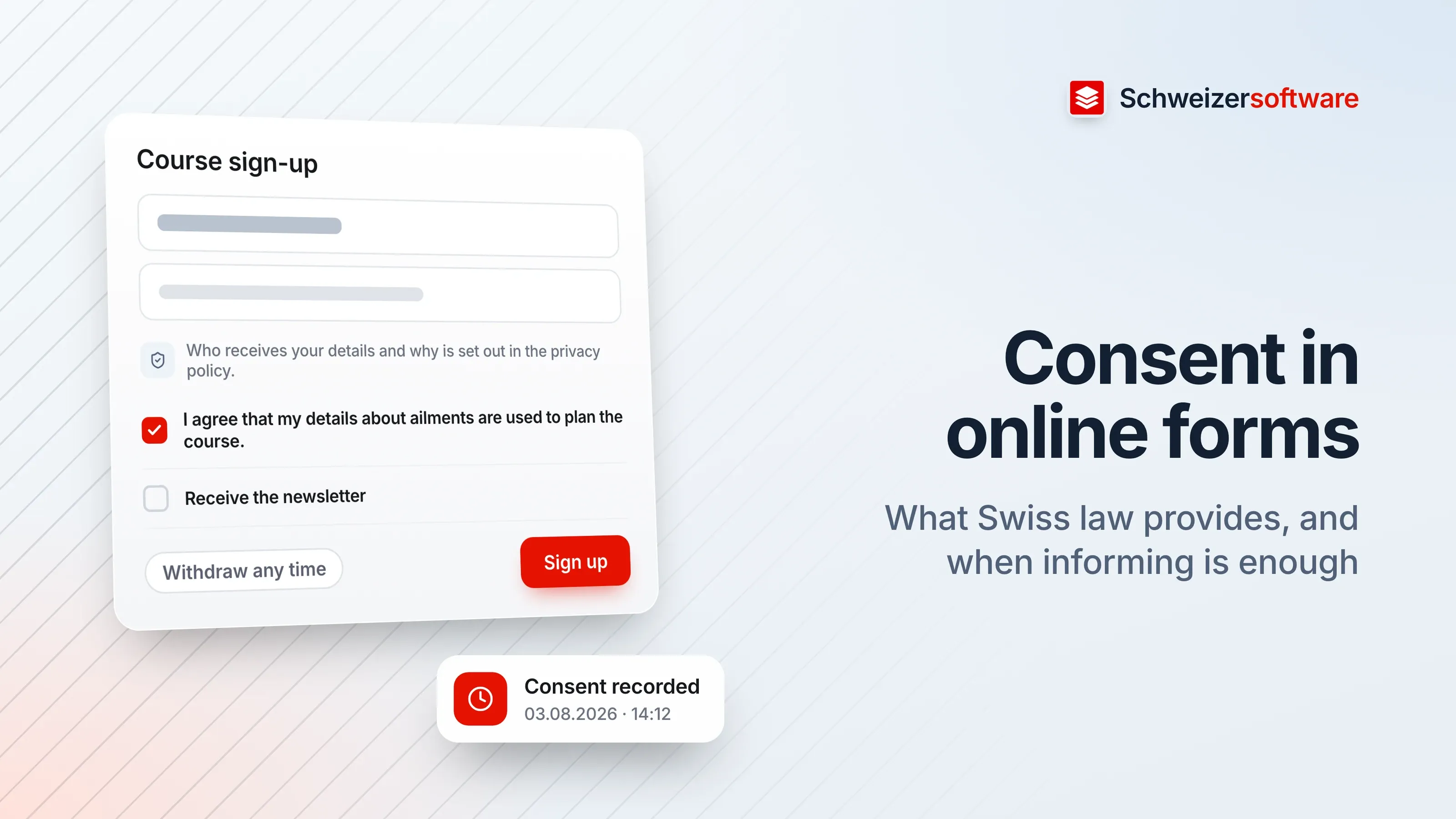
Consent tick boxes are everywhere. When Swiss data protection law calls for consent, when informing people is enough, and what makes consent valid.
7 min read
Controller, processor, disclosure abroad: the terms the Swiss FADP defines, each with a plain definition, an everyday example and the article it comes from.
10 min read
What proportionality and purpose limitation mean in the Swiss Data Protection Act, and how they look in the everyday life of a small business.
6 min read
Storage location, applicable law, access and sub-processors are four separate questions. What a Swiss data centre answers, and what it leaves open.
6 min read
PDF tools
What well-known online PDF services state about deletion periods, server location and encryption, how to read such statements and what the FADP says.
5 min read
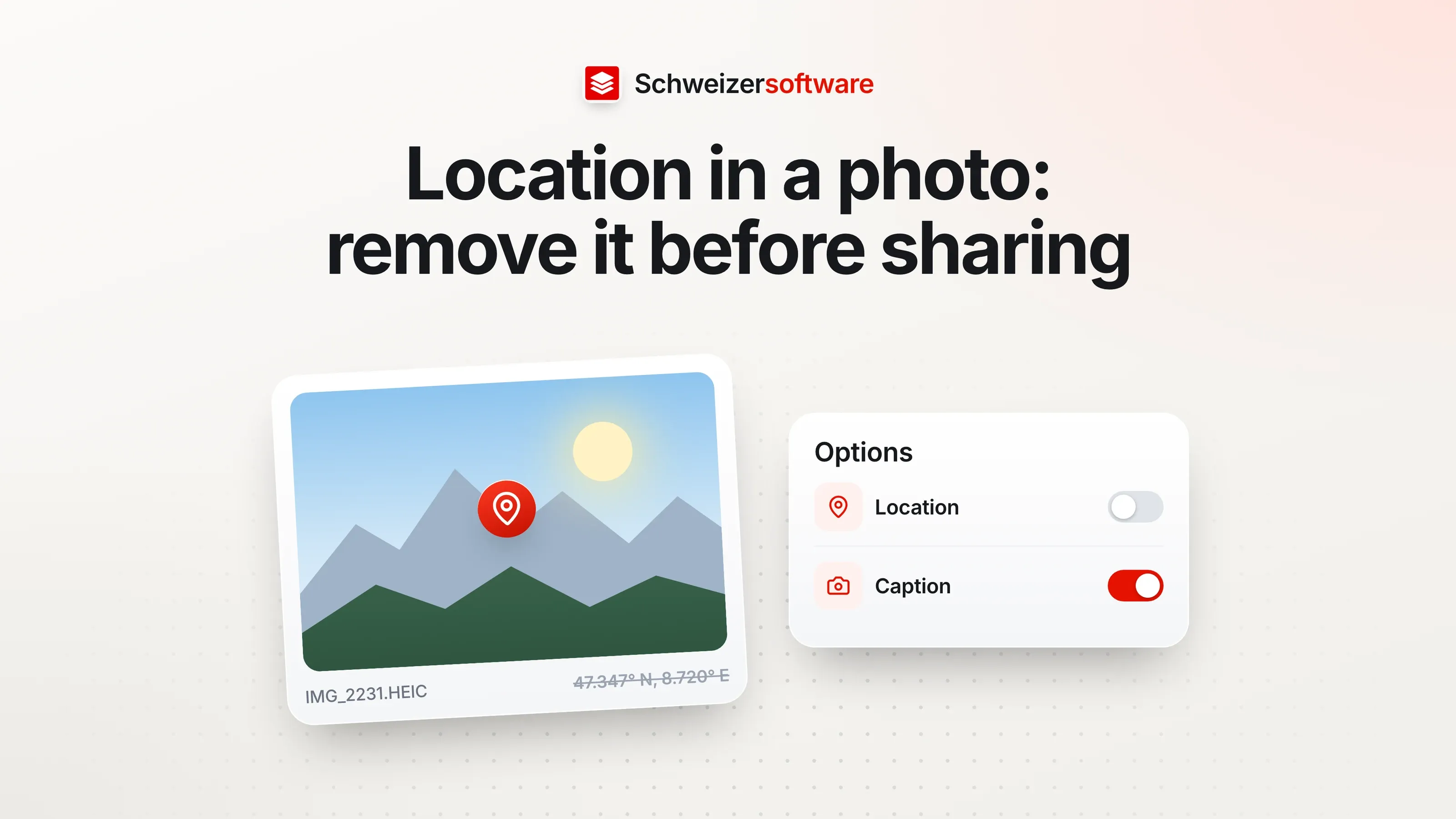
Image tools
What a photo can contain besides the picture, how to see and remove the place it was taken, and why the subject can still give something away.
5 min read
What the duty to inform under Art. 19 of the Swiss FADP covers, which details typical small-business websites involve, and how the FDPIC describes the structure.
6 min read
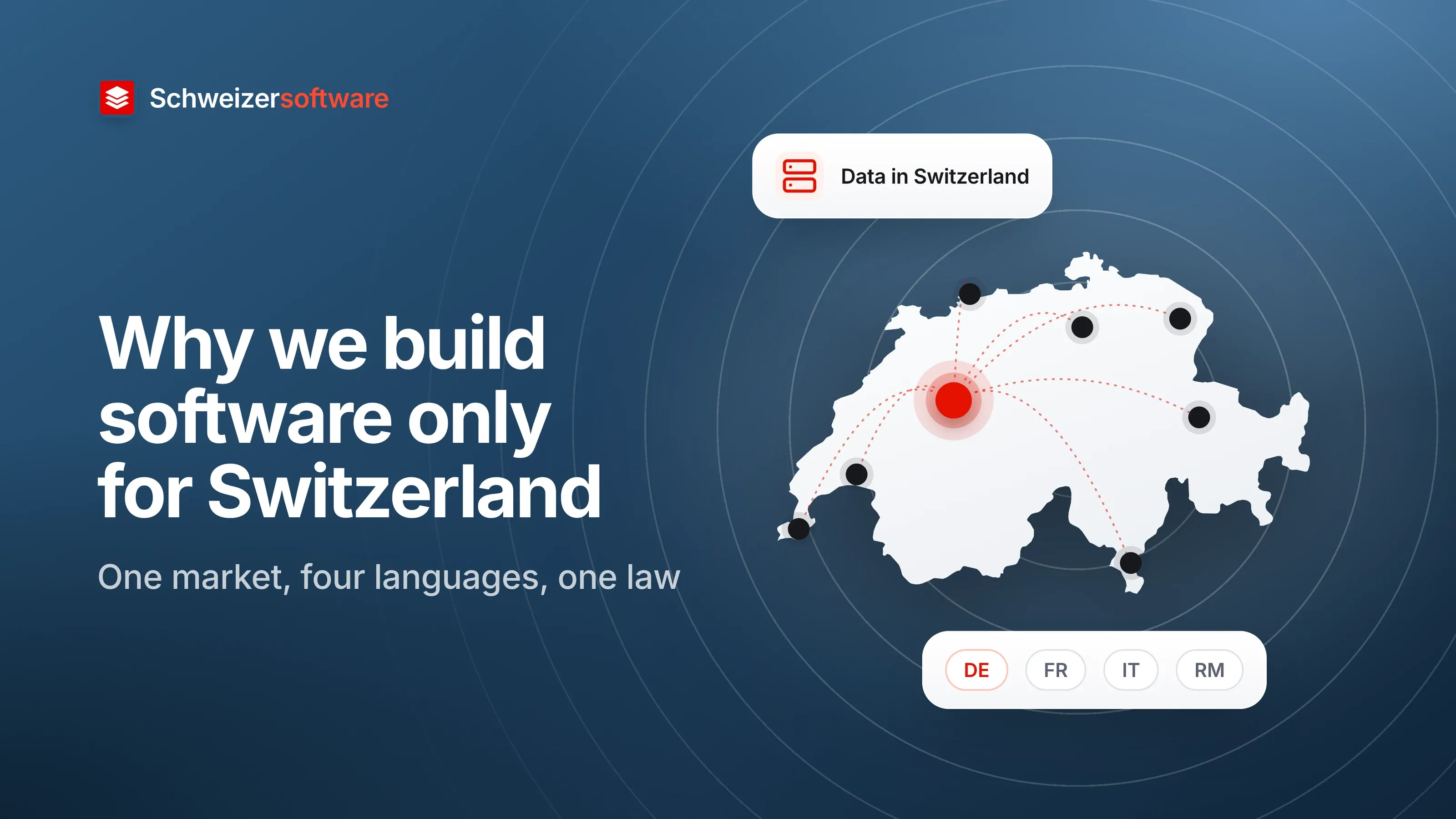
Four languages, Swiss francs, the QR-bill, cantonal differences and the FADP as the starting point: what it means to build web apps for Switzerland alone.
6 min read
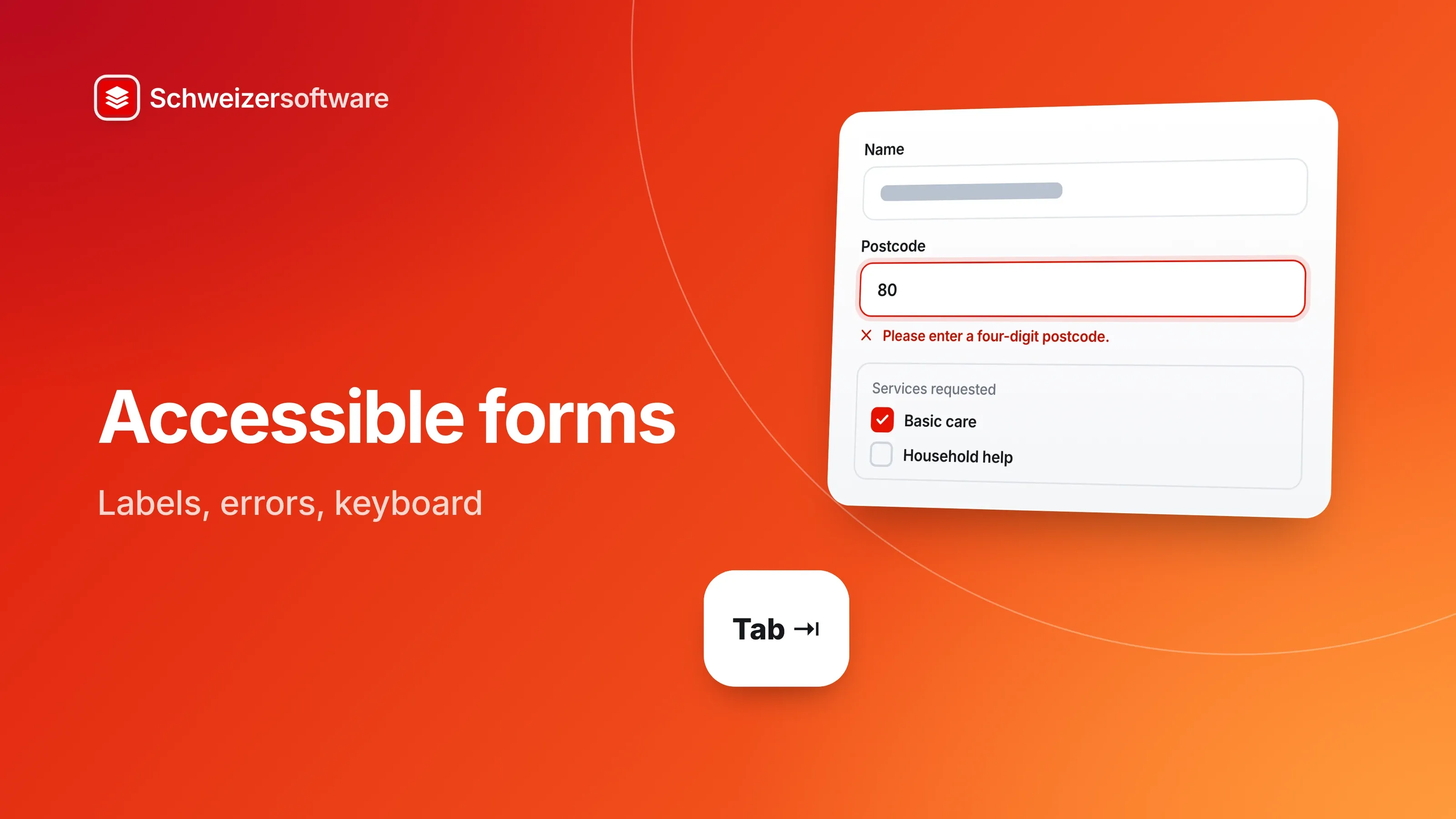
Forms
What makes an online form usable for everyone: labels, groups, clear error messages, keyboard, focus and target sizes — according to WCAG 2.2.
6 min read
Forms
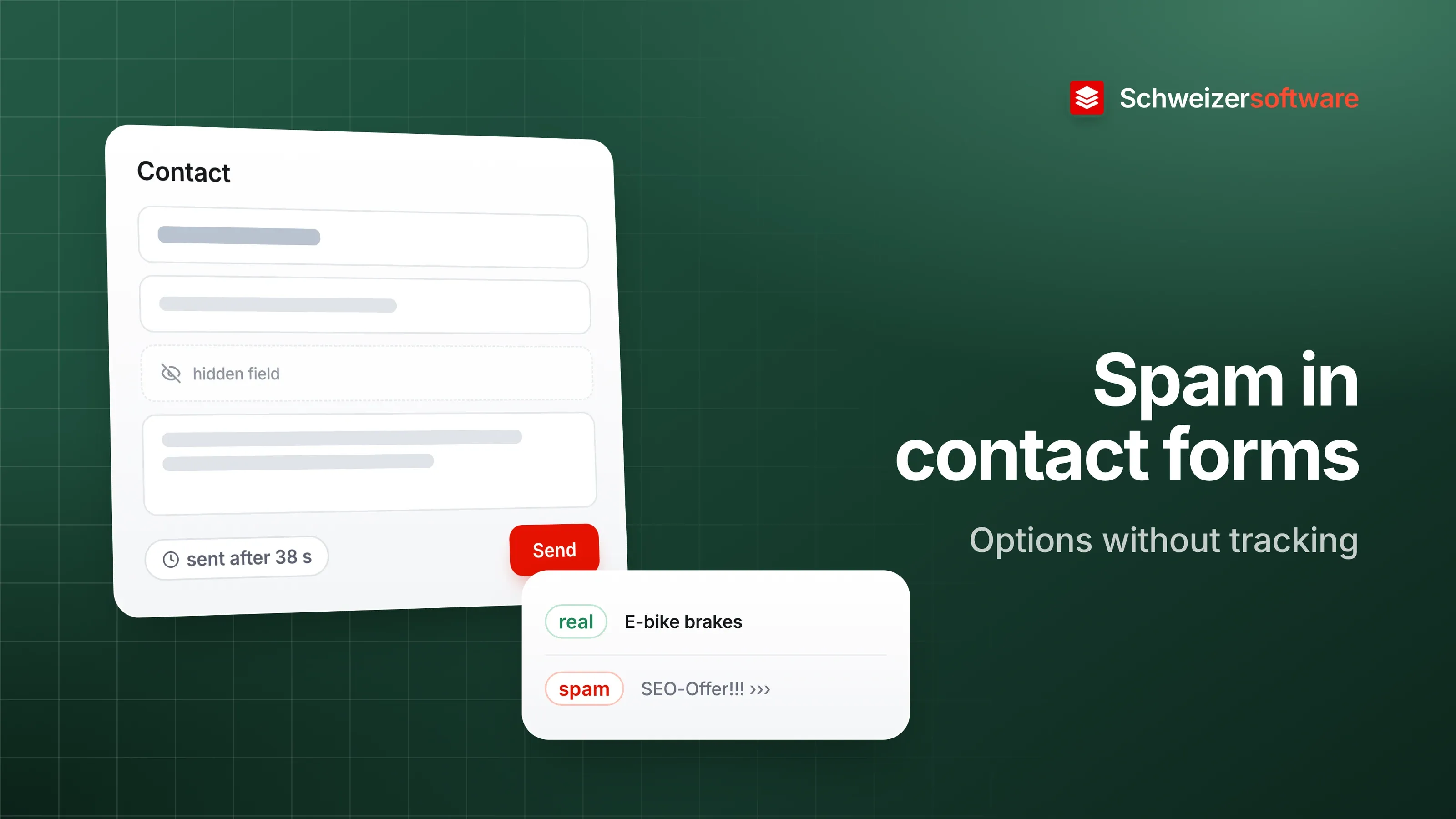
Honeypot, timing checks, rate limits and CAPTCHAs compared: what each option does against spam, which data it processes and what it means for accessibility.
6 min read
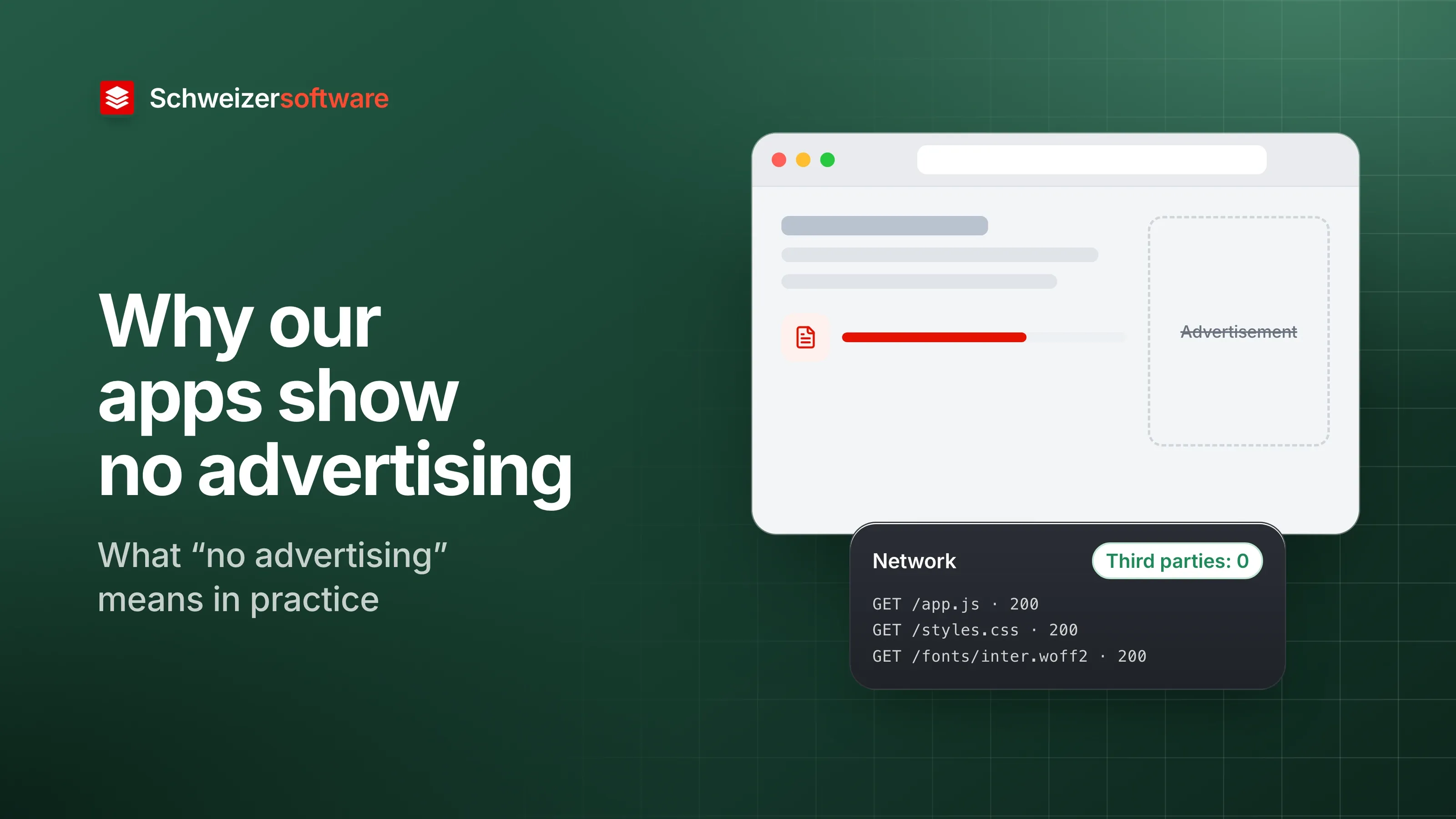
What advertising in an app means technically, what the FADP requires when third parties are involved, and what “no advertising” means for our apps — and what not.
6 min read
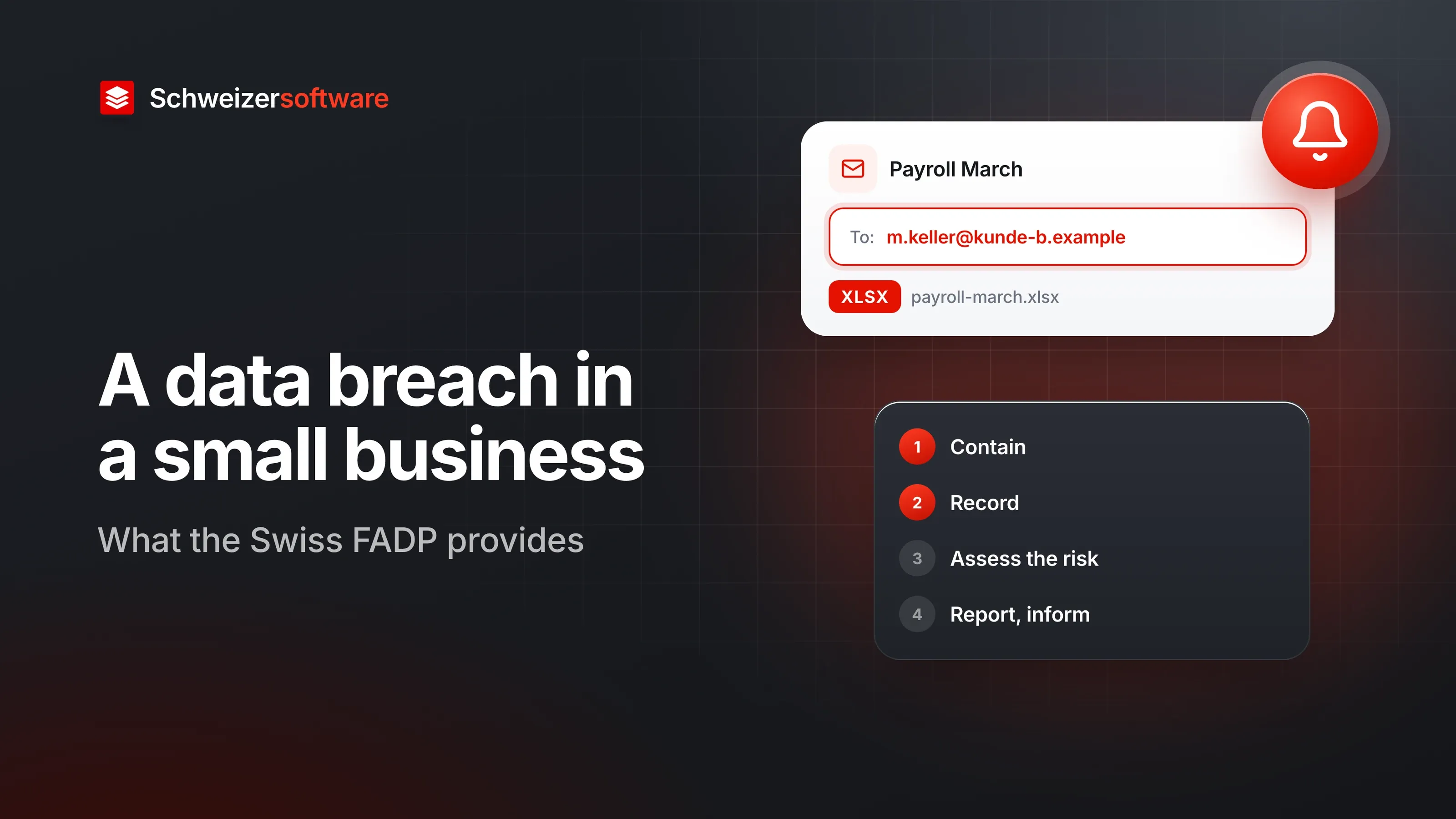
What a data security breach is, when the Swiss FADP provides for a report to the FDPIC, what goes into it and when affected people are informed.
6 min read
PDF tools
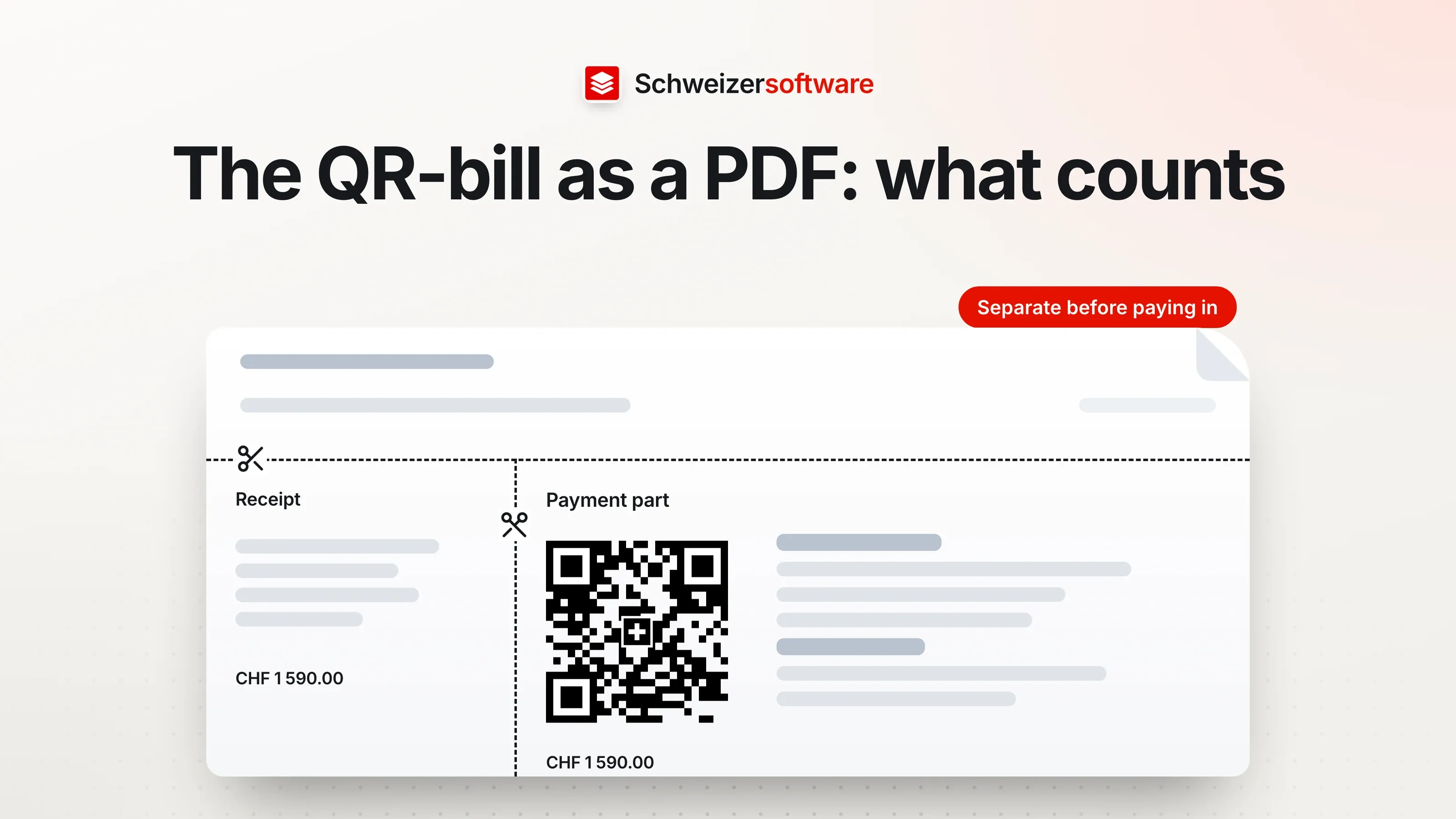
What the Swiss Implementation Guidelines say about the QR-bill as a PDF: dimensions, fonts, dividing lines and scissors symbol, structured addresses.
5 min read
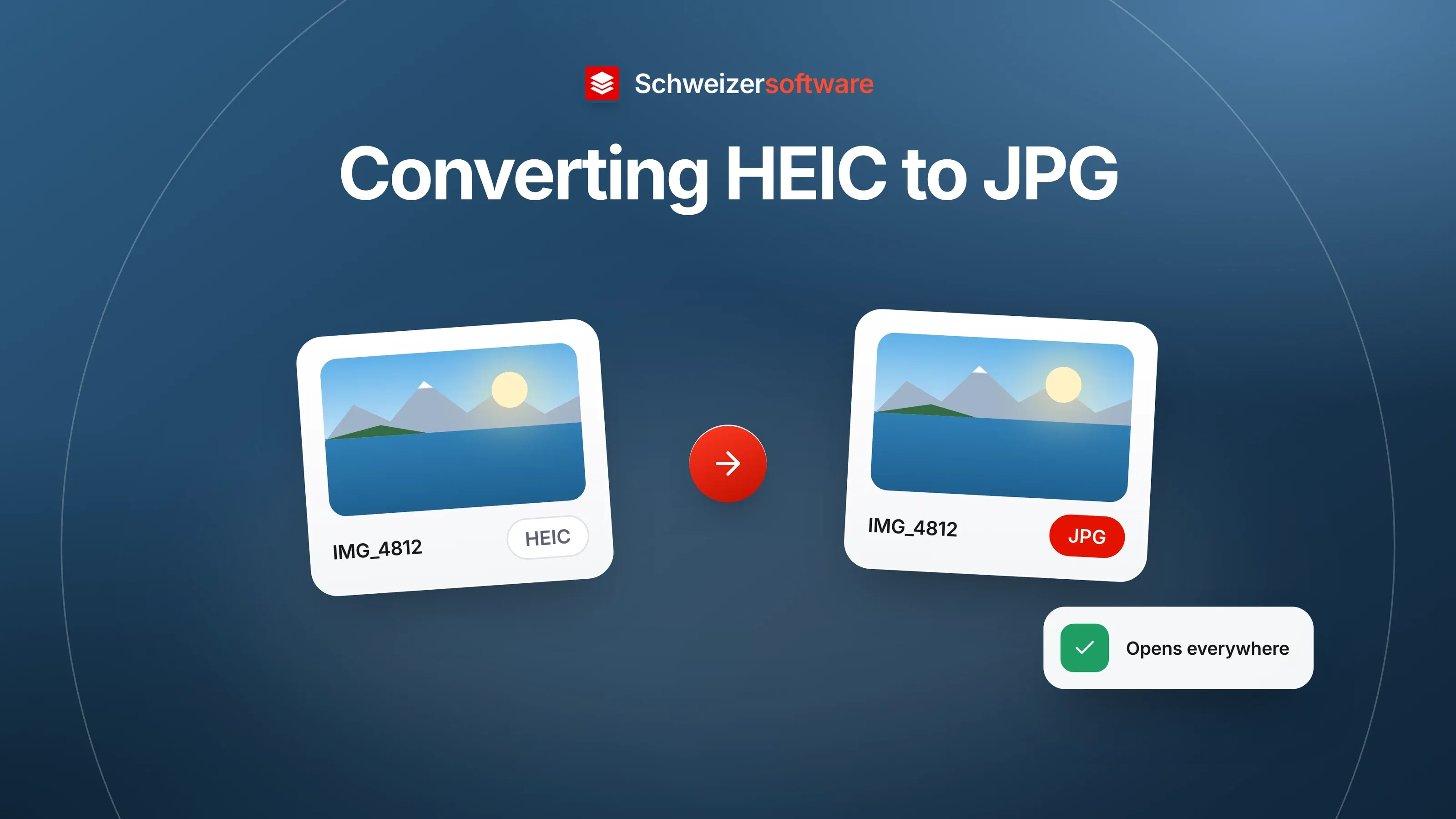
Image tools
Why iPhones save photos as HEIC, why such files do not open everywhere, and how to convert them to JPG or PNG on a Mac, an iPhone or Windows.
6 min read
PDF tools
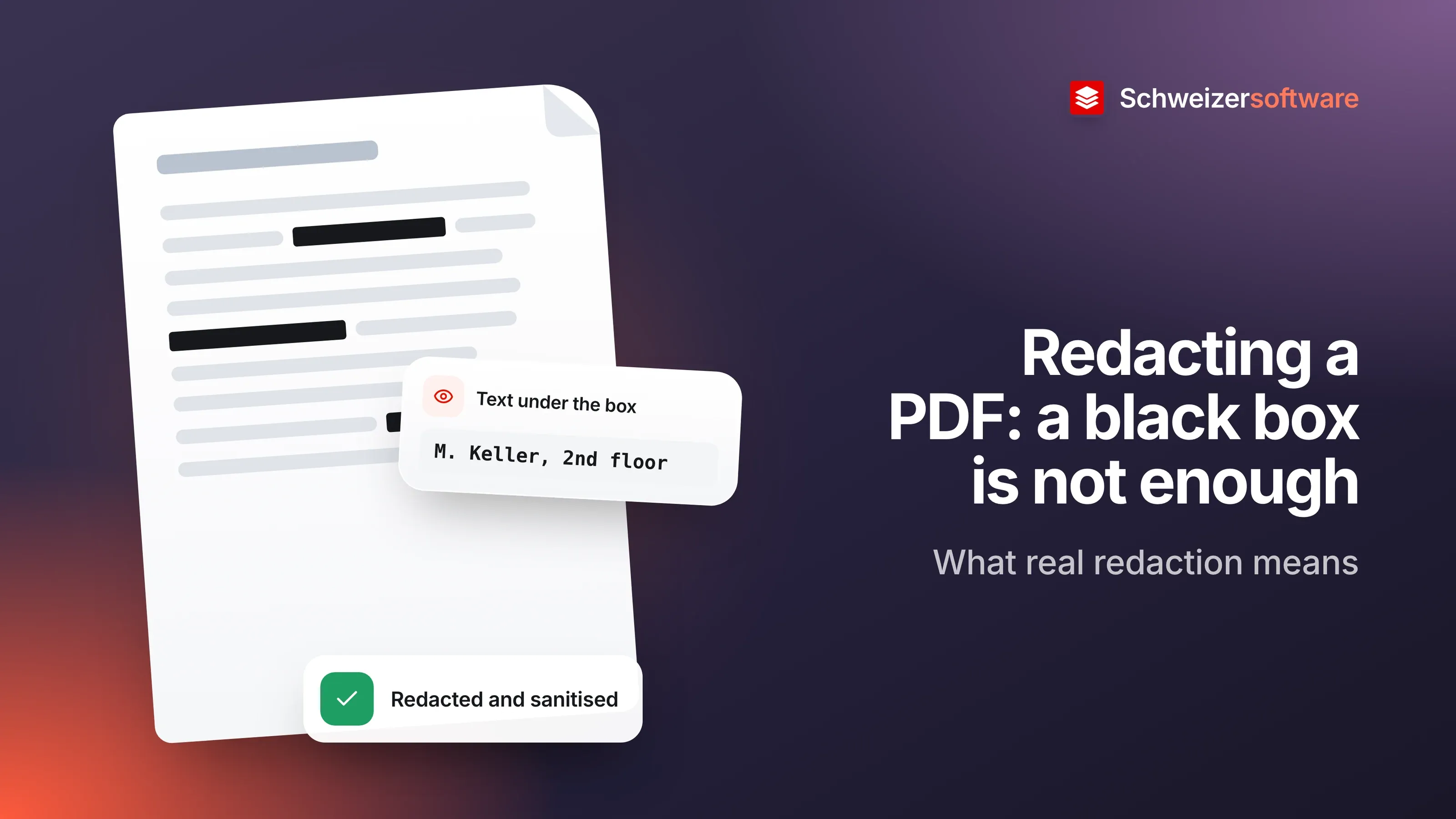
A rectangle drawn over text hides it but often does not remove it. What real redaction means, where information hides in a PDF and how to check the result.
6 min read
PDF tools
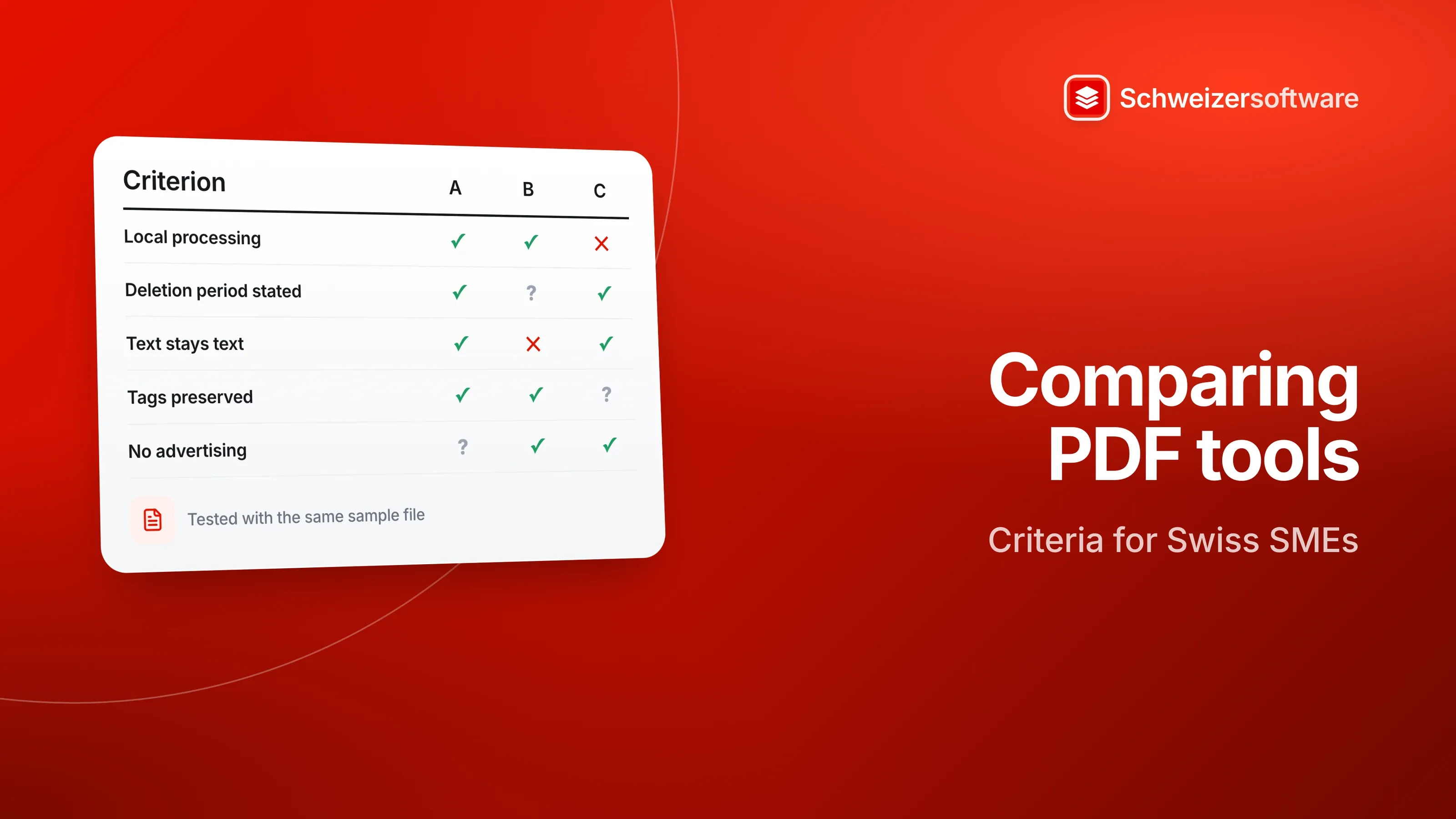
Where the file is processed, how long it stays, what happens to text, redactions and tags: a list of criteria for choosing a PDF tool, without a ranking.
6 min read
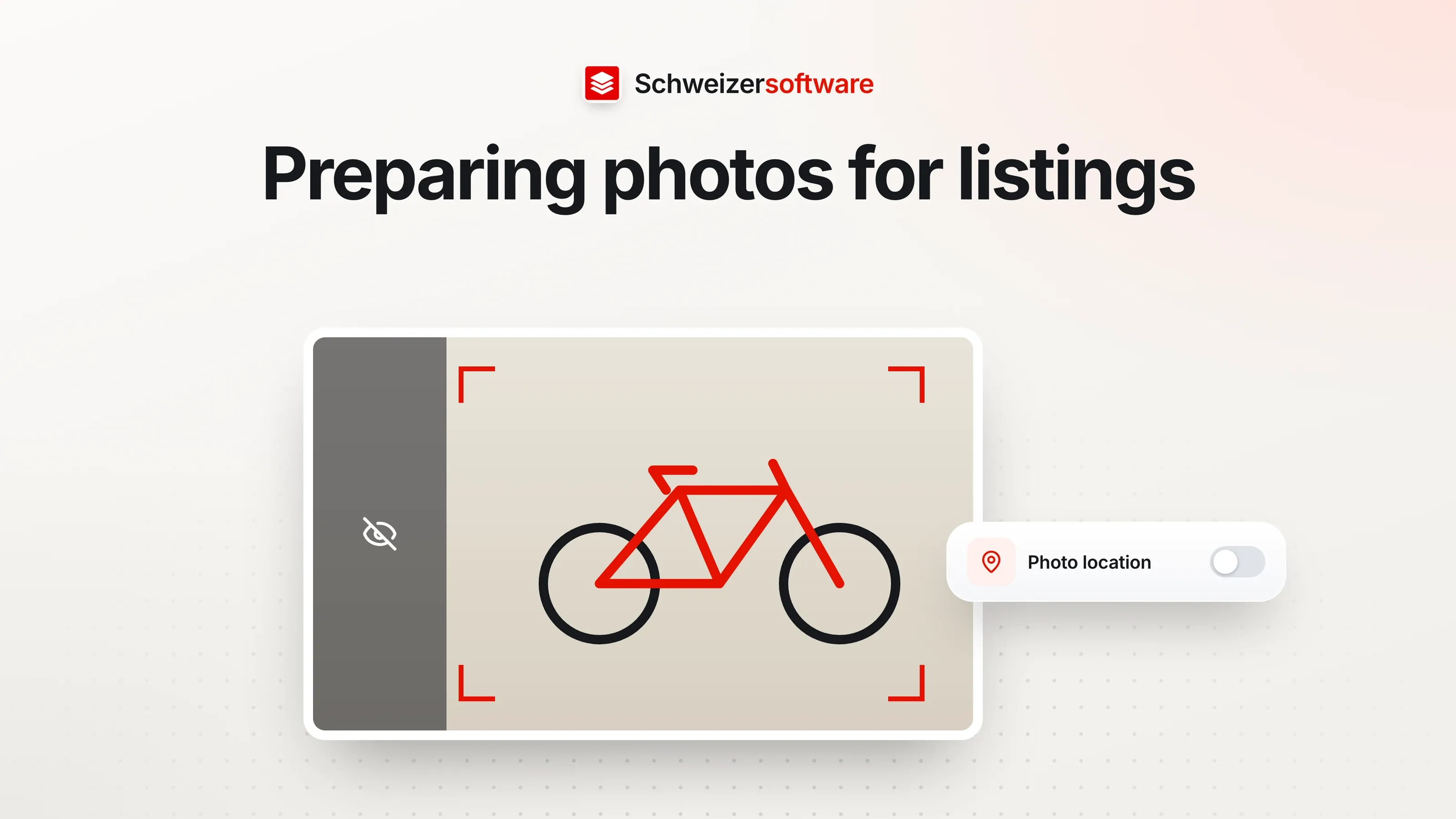
Image tools
What a photo for a listing should show and what it should not: cropping, people in the picture, the stored location, the file size and other people’s photos.
6 min read
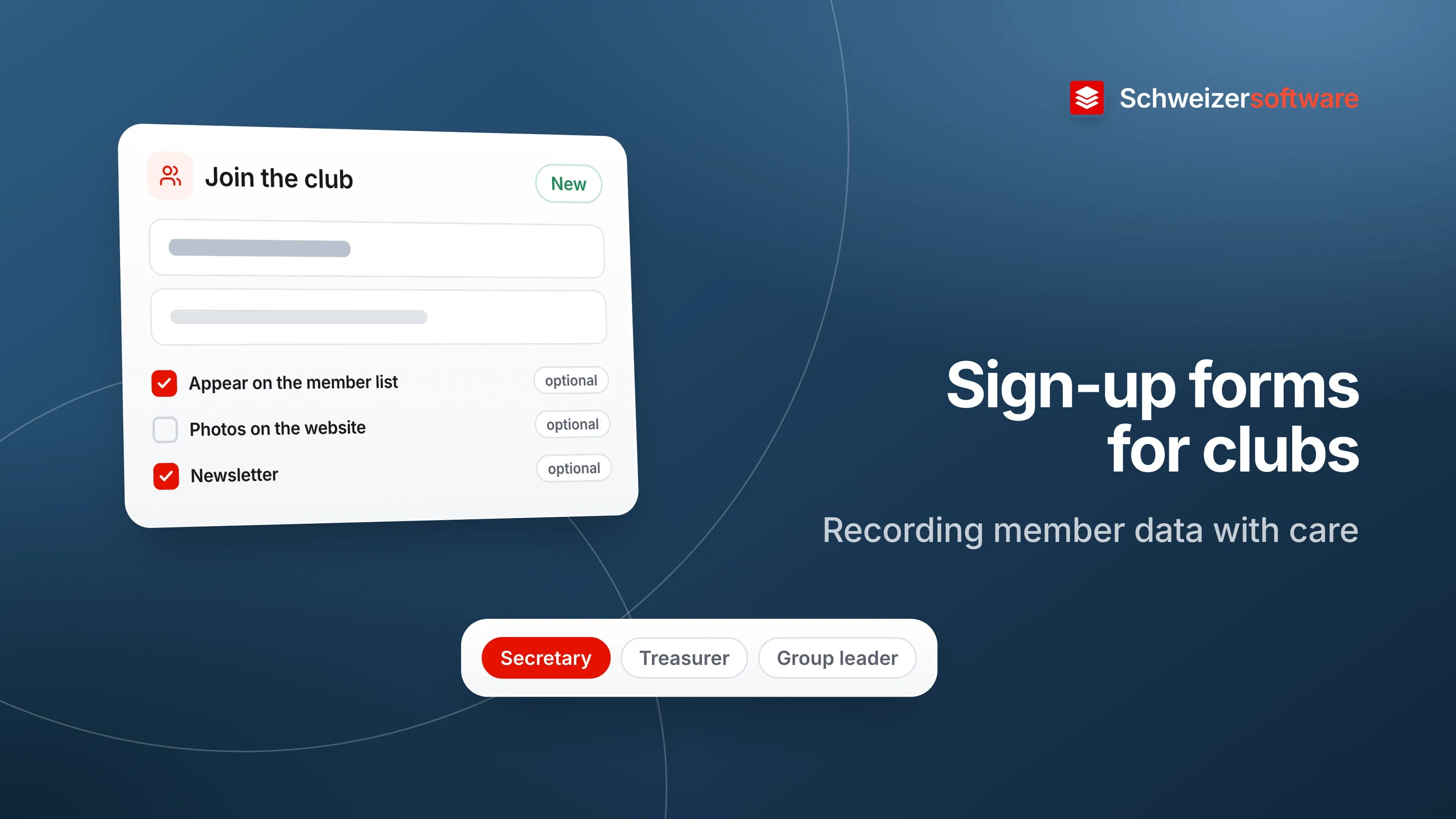
Forms
How a club records sign-ups with a form: which details its purpose covers, when consent is needed, and who on the committee sees what.
6 min read
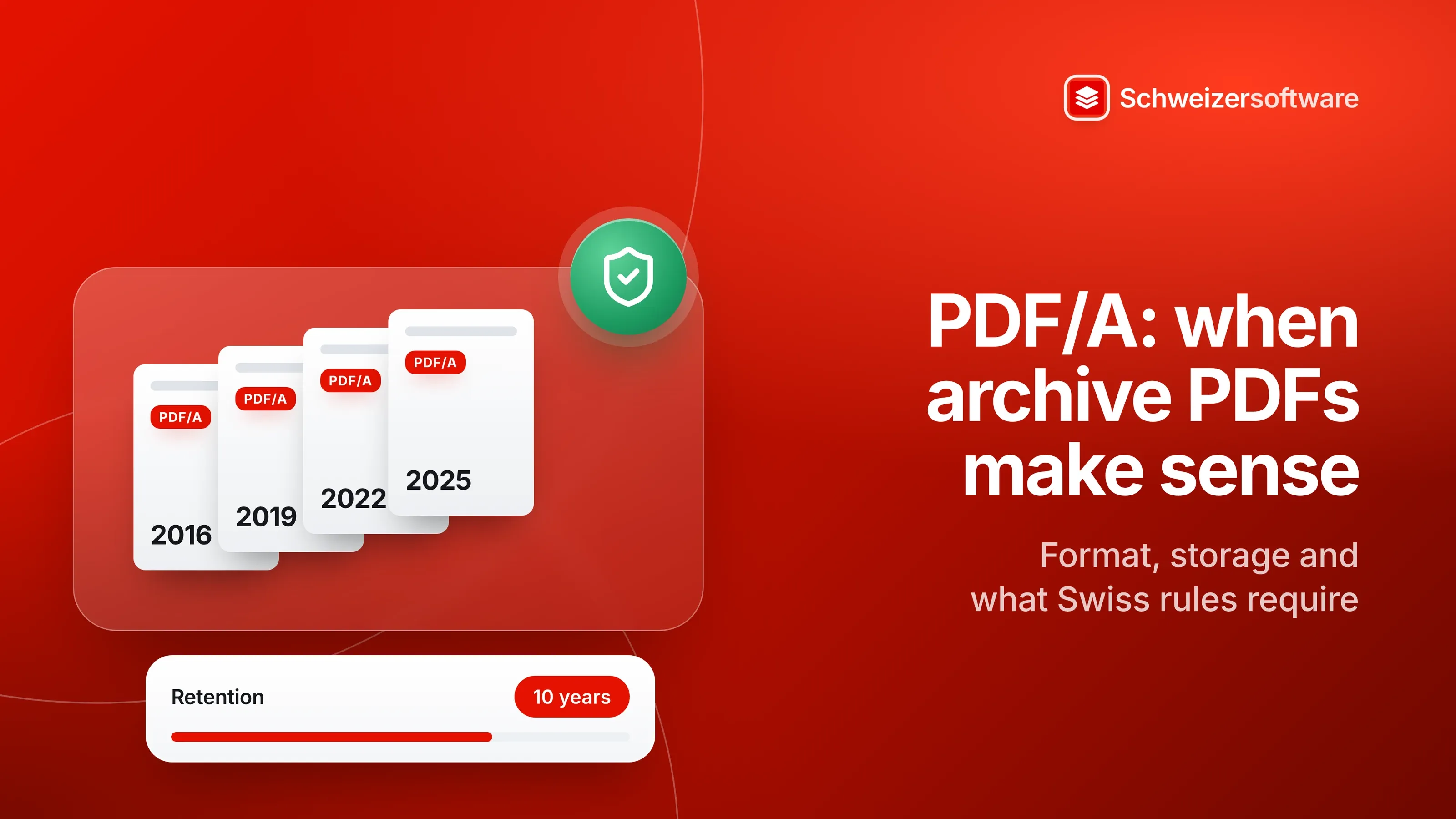
PDF tools
What PDF/A is, which variants exist, and what the Swiss ordinance on business records (GeBüV) says about retention, legibility and integrity of electronic records.
6 min read
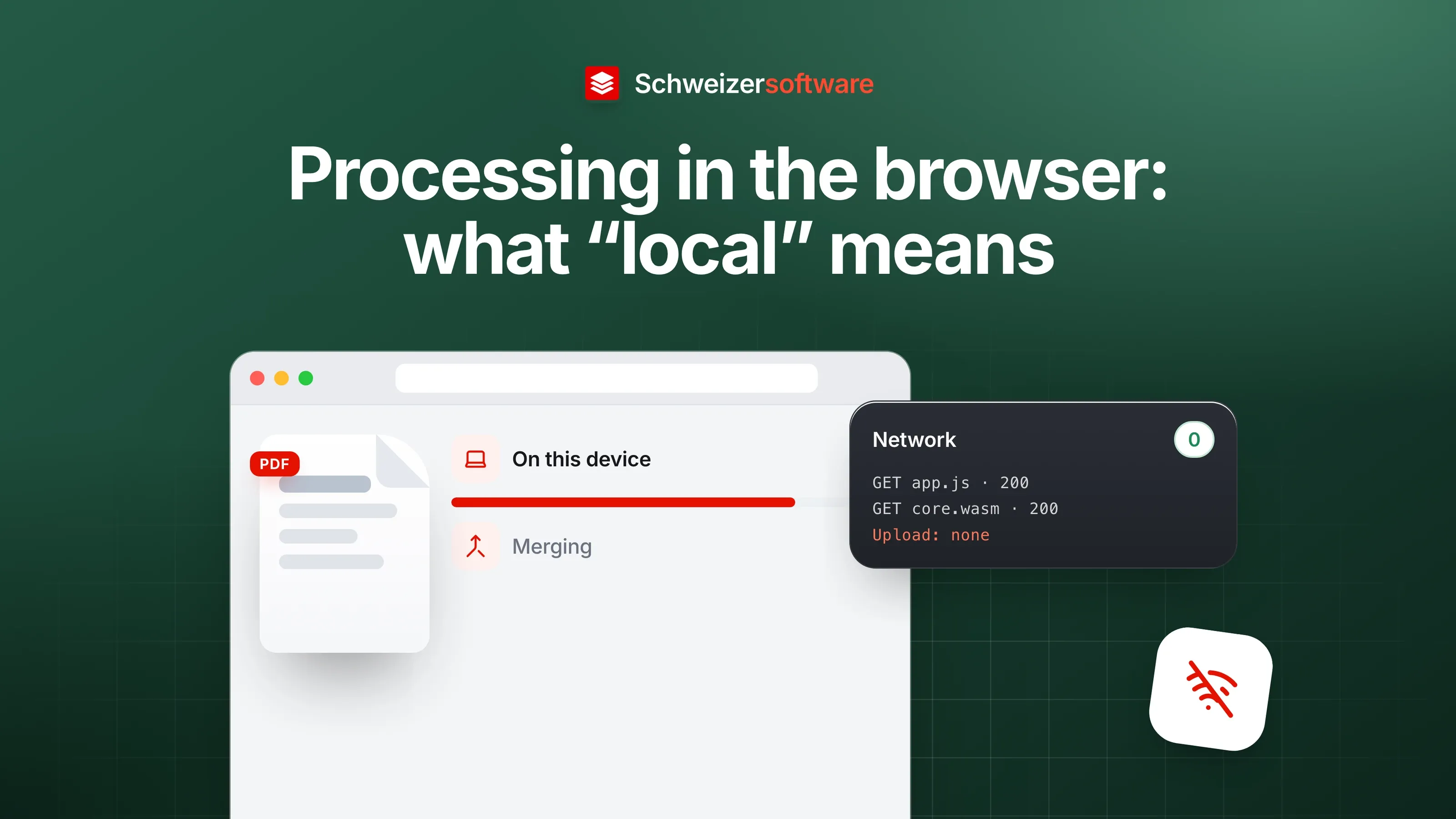
PDF tools
How a web app can work on files directly in the browser without uploading them, where the limits are, and how to check for yourself whether anything is sent.
5 min read
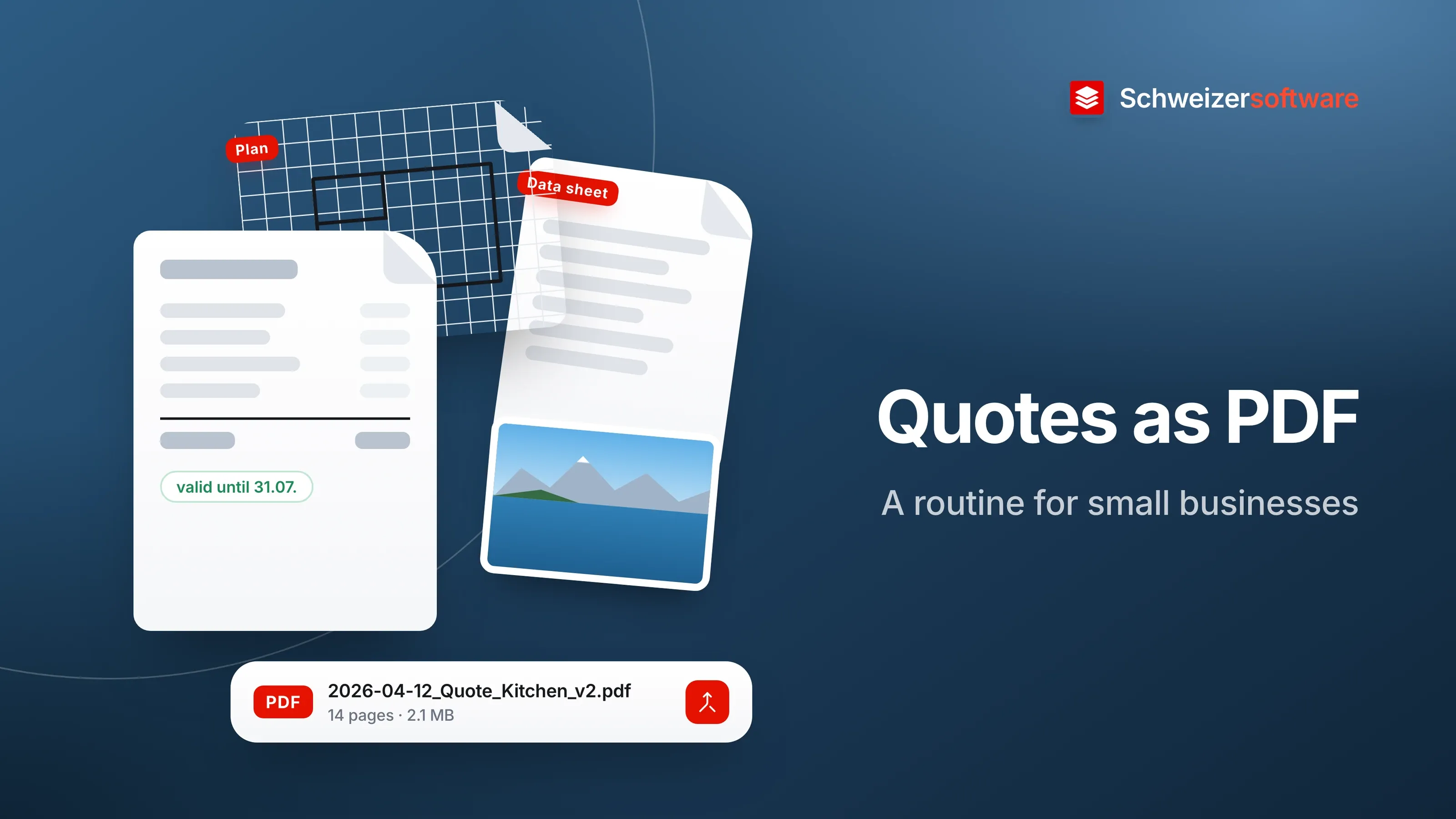
PDF tools
From a quote in the word processor to a PDF ready to send, with plans and data sheets: a practical routine, and what the Swiss Code of Obligations says about offers.
6 min read
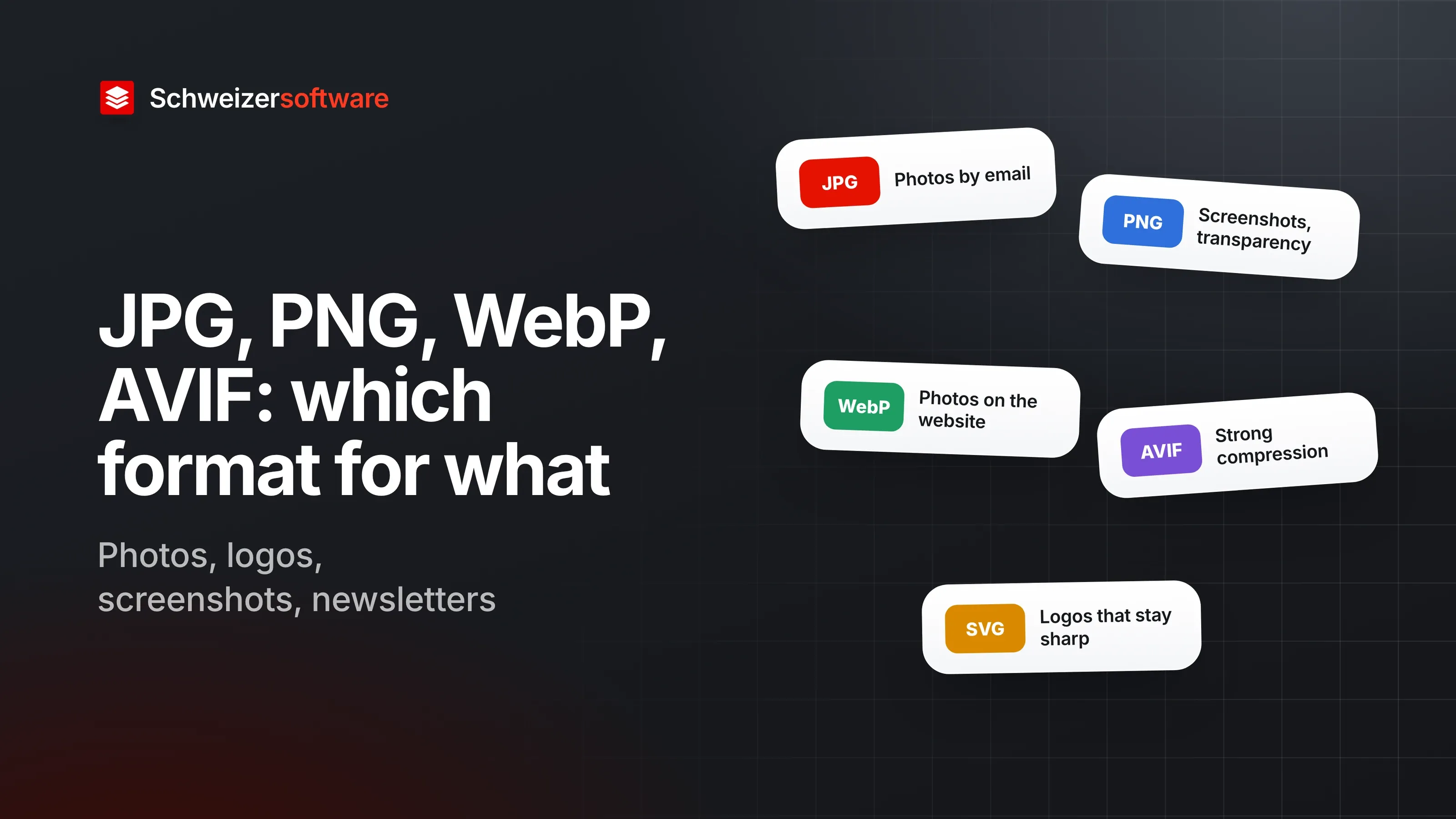
Image tools
Which image format suits photos, logos, screenshots and newsletters, which browsers display WebP and AVIF, and when JPEG and PNG remain the safe choice.
5 min read
PDF tools
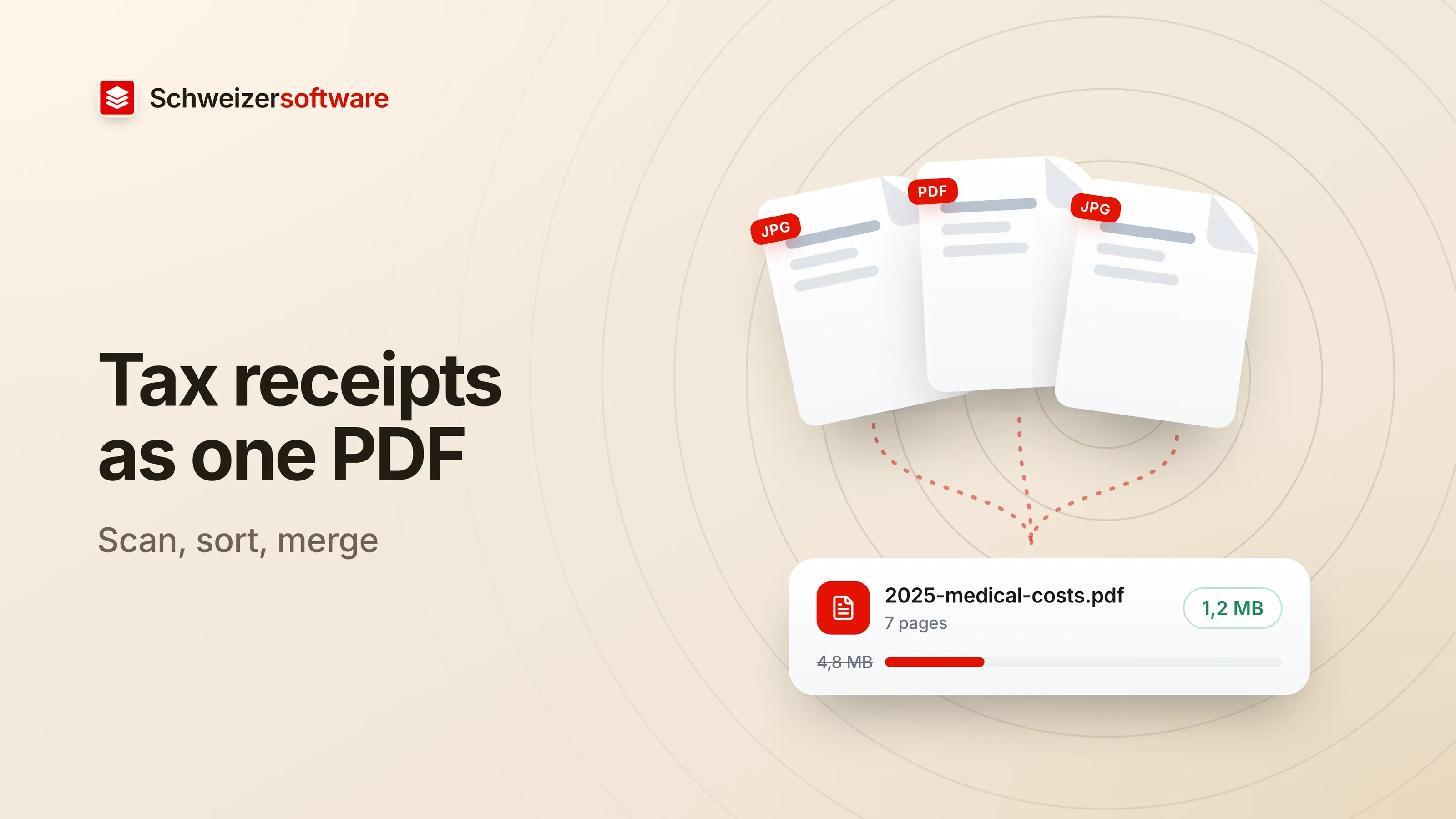
How individuals and the self-employed prepare receipts for an online tax return in Switzerland: scan, sort, merge and bring them to the size the canton accepts.
6 min read
PDF tools
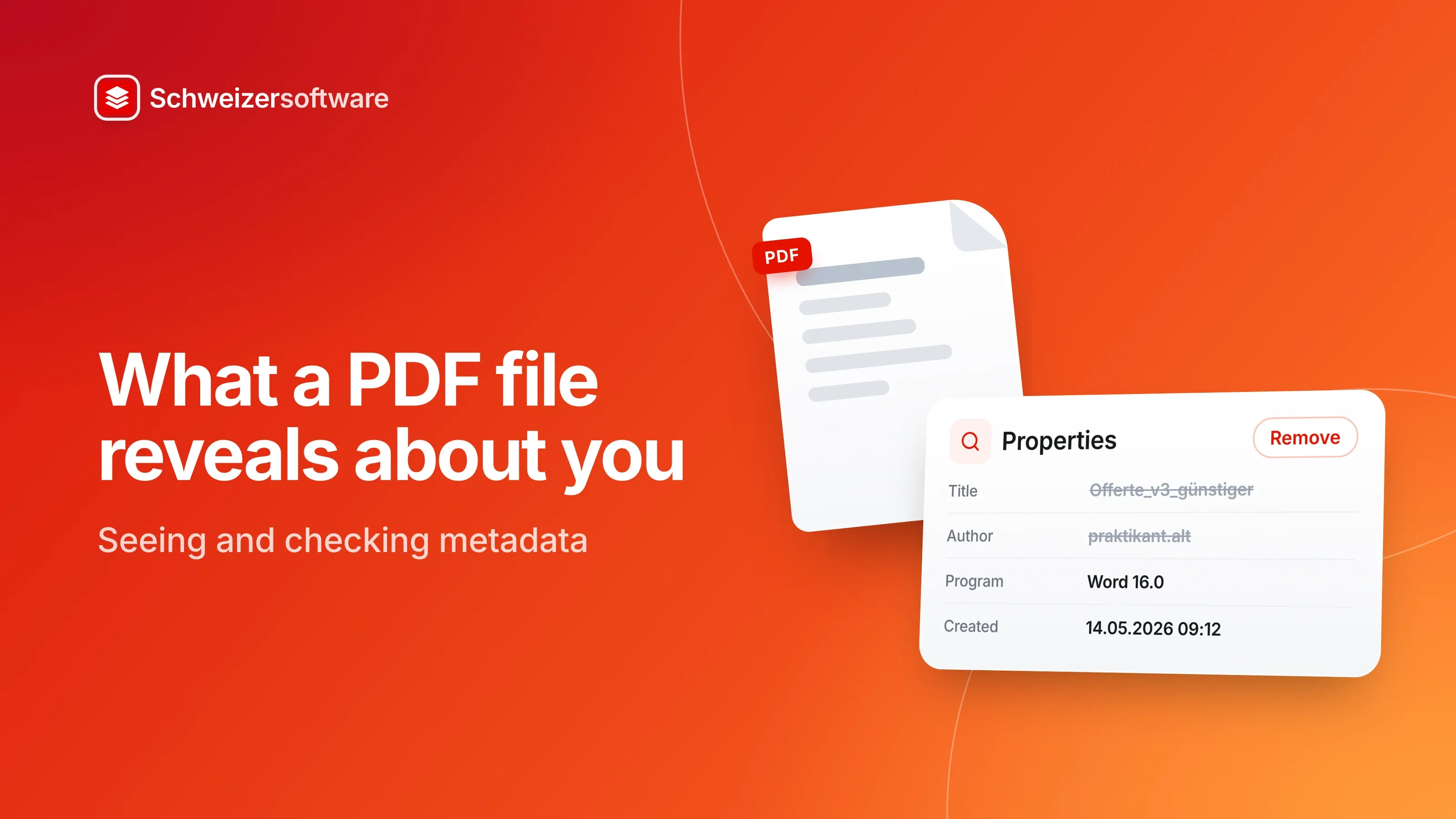
Author, program, creation date, earlier versions: which details PDF files can carry, where to see them and how to check them before sending.
6 min read
PDF tools
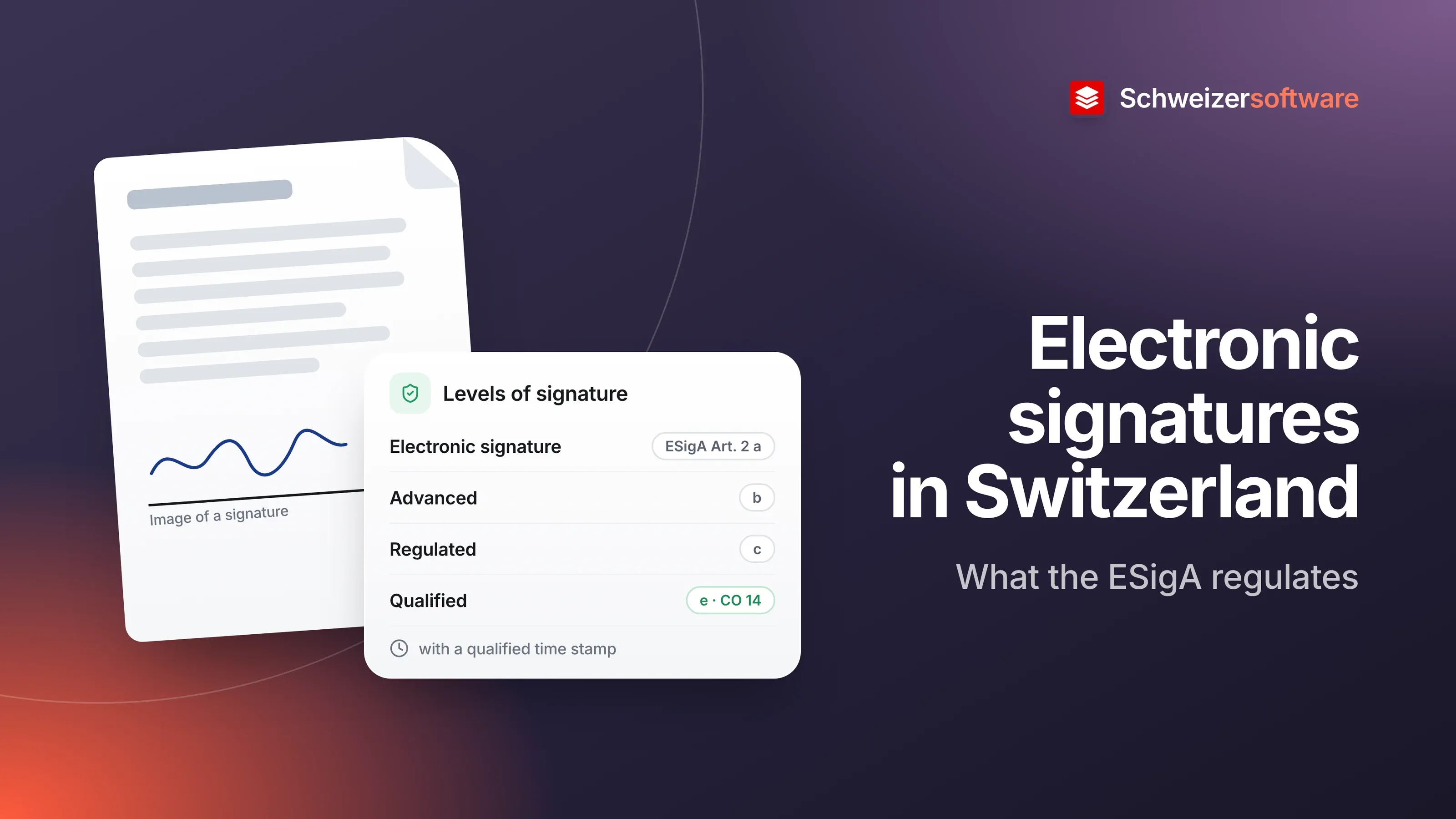
Simple, advanced, regulated and qualified signatures: how the ESigA distinguishes them, what Art. 14 CO treats as equal, and what a signature image is.
6 min read
No articles found. Try a different word or another idea.